Key Takeaways:
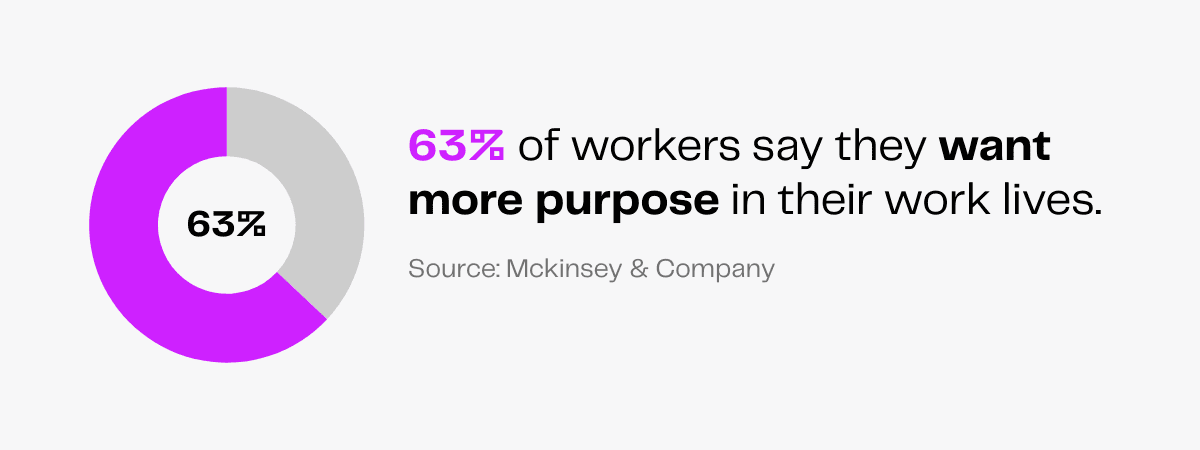
63% of workers want more purpose in their work lives—and as a business leader, you must motivate your virtual team.
40% of workers report feeling more motivated when their goals are measurable.
Well-recognized employees were 45% less likely to have changed organizations two years later.
Working remotely has its perks—attending meetings in your pajamas, unlimited quality time with pets and as many coffee breaks as you want.
But when you’re in charge of a remote team, there’s a flip side.
Without daily face-to-face interactions, it’s harder to gauge your team’s morale and identify their challenges. Perhaps one employee is constantly missing deadlines, while another is disengaged and lacks initiative.
As a team lead, it’s your responsibility to fix these issues, but how? Confronting employees can push them to improve temporarily but it doesn’t fix the root cause. Warnings can instill fear, but not drive.
Instead of focusing on surface-level behaviors, the key is to understand why they happen. Most of the time, the issue boils down to one thing: lack of motivation.
But while the issue is simple, solving it requires a multi-faceted approach. In this article, we’ll explore exactly how to motivate virtual team members to get the most out of them.
Why Do Employees Need Motivation?
Employees need motivation for the same reasons that plants need water—to grow and flourish. Without it, they wither, underperform and lose focus.
Yet, in their race to the top, business owners often overlook the people who drive them there. But motivated employees aren’t just a bonus—they’re essential to success.
Prioritizing employee satisfaction, instilling a sense of purpose and providing encouragement are as crucial as boosting sales. In fact, 63% of workers want more purpose in their work lives.
With a well-motivated workforce, you achieve goals faster and increase your bottom line.
Plus, motivated employees stay loyal, reducing turnover costs and strengthening organizational stability.
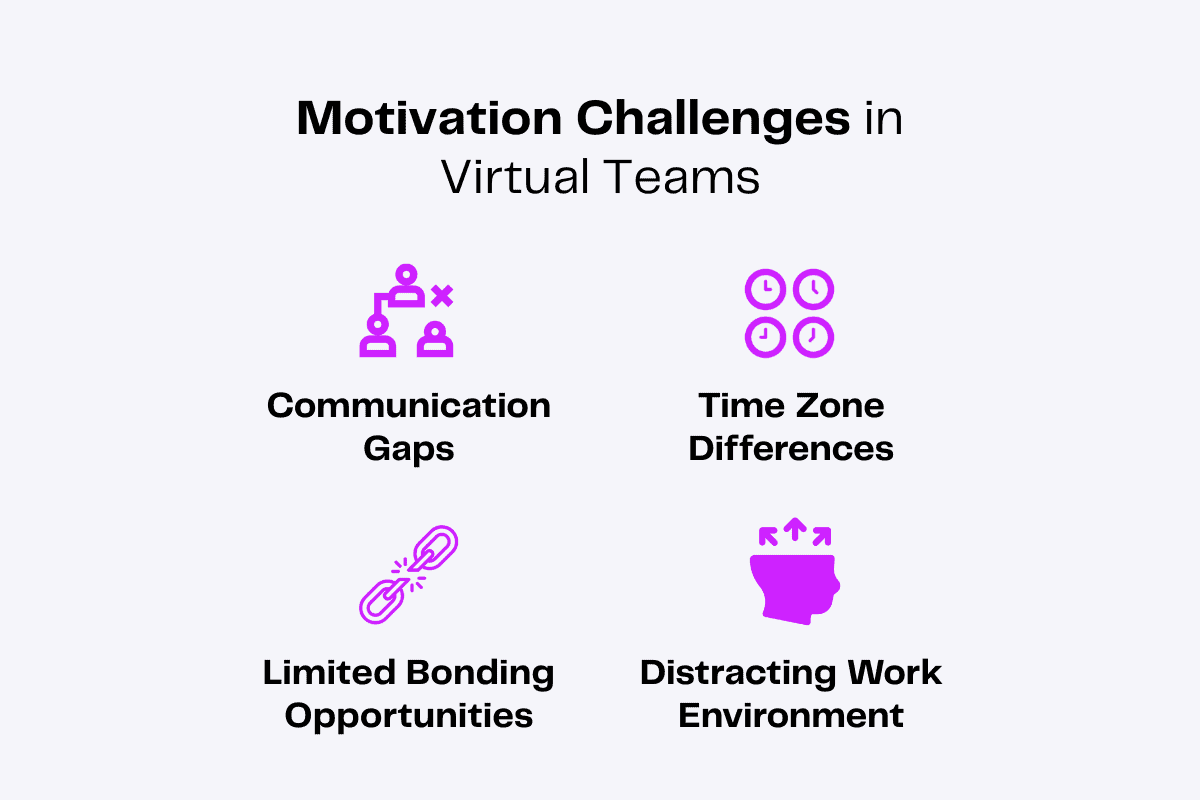
Barriers to Motivation in Virtual Teams
Understanding why virtual employees lose motivation is the first step to fixing it. Identifying the root cause helps you implement targeted solutions that boost productivity.
Poor communication is a common disruptor of motivation in virtual teams.
Additionally, virtual employees struggle with unclear goals, working in a team with unfamiliar colleagues and external distractions.
Communication Gaps
Seamless communication keeps organizations running smoothly, reducing errors, misunderstandings and confusion.
But in remote settings, the lack of in-person interactions creates gaps—messages get lost in translation, constructive feedback feels harsh and delayed responses disrupt workflows.
Without non-verbal cues like facial expressions and tone of voice, even a simple message from one’s manager–“Please redo this report”–can come across as overly critical.
This may seem inconsequential, but it’s a massive issue. 42% of remote workers stress about conveying the right tone of voice!
Plus, when communication between managers and employees is ineffective, expectation mismatches arise.
Unclear expectations result in misdirected efforts, causing frustration for both parties. Communication inefficiencies affect productivity for 50% of remote workers.
Unlike in offices, where you interact with employees daily, remote check-ins are infrequent, making employees feel disconnected.
To top it all off, technical difficulties like unstable internet and lagging video calls cause further disruptions in remote communication.
Time Zone Differences
Unlike in-office work, where all employees share the same location, remote teams span the whole world.
This makes collaboration challenging since active hours and peak productivity times differ.
For many, the 9 AM–11 AM slot is their most productive time block. To produce productive work, everyone will have to log in at 9, which isn’t always possible as virtual team members may work across different time zones.
Spontaneous problem-solving becomes impossible and waiting for a time that works for everyone causes unnecessary delays in work.
Scheduling team meetings becomes complicated, often forcing some members to attend out-of-hour calls, disrupting their work-life balance.
The pressure to stay in sync with the team also adds up, compelling employees to work extra hours just to stay in the loop and avoid missing urgent updates.
For managers, favoring one time zone means unintentionally sidelining others, leading to feelings of unfairness and frustration among team members.
Limited Bonding Opportunities
Working in an office means spending time with your coworkers every day. Sharing a space sparks organic interactions, turning acquaintances into friends.
Team lunches, office parties and water cooler chats build camaraderie, creating a sense of belonging and strengthening relationships. This rapport translates to smooth collaborations and faster, higher-quality work results.
But for remote teams, such bonding opportunities are rare. Conversations mostly revolve around work, leaving no scope for personal connections.
Video calls and group chats don’t fully match up to real-life interactions. Many times, they feel obligatory and exhausting rather than fruitful and fun.
This lack of connection leaves employees feeling fragmented, more like individual workers rather than a united team.
Distracting Work Environments
One of the biggest perks of office spaces is that they’re designed for productivity. Organized workstations, quiet zones and breakout areas help employees stay focused.
But remote workers don’t have this setup at home. They may be sharing the house with children, dealing with noisy neighbors or living in a crowded area.
Some may lack a proper home office or amenities such as good lighting, ergonomic furniture and cutting-edge devices.
These external factors create frequent distractions, leading to a dip in their quality of work.
Plus, with no physical barricades between work and personal space, mentally logging off becomes tougher—causing stress and low motivation in virtual teams.
Successful Motivation Techniques for Virtual Teams
Now that you understand what’s keeping your virtual employees from being fully engaged at work, it’s time to tackle these issues head-on.
Quick fixes offer short-term relief, but lasting change comes from proactive, consistent efforts that prevent the problem from emerging.
1. Set Clear Goals and Expectations
Businesses operate as an interconnected system. When one part fumbles, the entire structure feels the impact.
Without clarity in individual roles and responsibilities, the whole team becomes inefficient—morale drops and productivity takes a hit.
For managers, the key to avoiding this is setting clear, well-defined goals for each worker. When employees know exactly what’s expected of them, they can focus on delivering results without confusion or guesswork.
The outcome is effective collaboration, faster turnaround times and high motivation.
A helpful framework for goal setting is the SMART rule, which suggests laying down objectives that are:
- Specific: Clearly define what needs to be done, including the what, how, where and when.
- Measurable: Use key performance indicators (KPIs) to track progress and success.
- Achievable: Set realistic and attainable goals, keeping your team’s strengths and bandwidth in mind.
- Relevant: Align goals to your company’s mission, so employees work towards a common target.
- Time-bound: Assign deadlines to help members schedule and prioritize tasks.
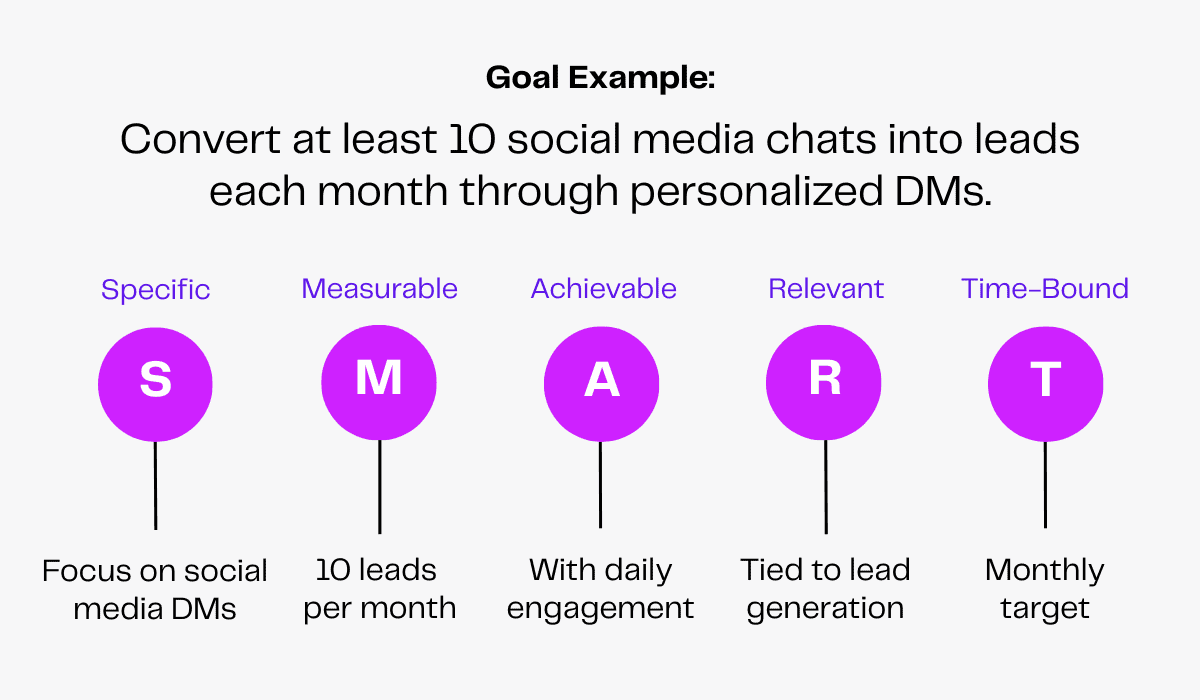
Clear objectives help employees stay on track and eliminate busywork. In fact, 40% of workers report feeling more motivated when their goals are measurable.
Plus, every completed milestone gives them a sense of accomplishment, keeping engagement levels high.
2. Maintain Two-Way Communication
Effective communication is a two-way street. It’s not just about giving clear instructions but listening actively as well.
Employees need a space to voice their concerns, ask doubts and share ideas. Without the psychological safety to express themselves, dissatisfaction builds up and engagement drops.
To prevent this, team leaders must encourage open dialogue and invite feedback on:
- Leadership effectiveness
- Workload and stress levels
- Fairness and inclusivity
- Career growth opportunities
Of course, gathering feedback is half the battle. True change comes from implementing it. When employees witness their input causing real change, it makes them feel valued and heard.
Besides enhancing their trust in your leadership, it also makes them more loyal. Companies that implement regular employee feedback witness 15% lower turnover rates.
Positivity is another key ingredient in good communication. In remote teams where tone is easily misinterpreted, even well-intended messages may come across as cold or harsh.
A simple “fine” can feel passive-aggressive and a vague “we need to talk” may cause unnecessary anxiety.
When offering constructive criticism or giving instructions, the right tone is especially crucial. Sounding frustrated or condescending makes employees shut down and disengage.
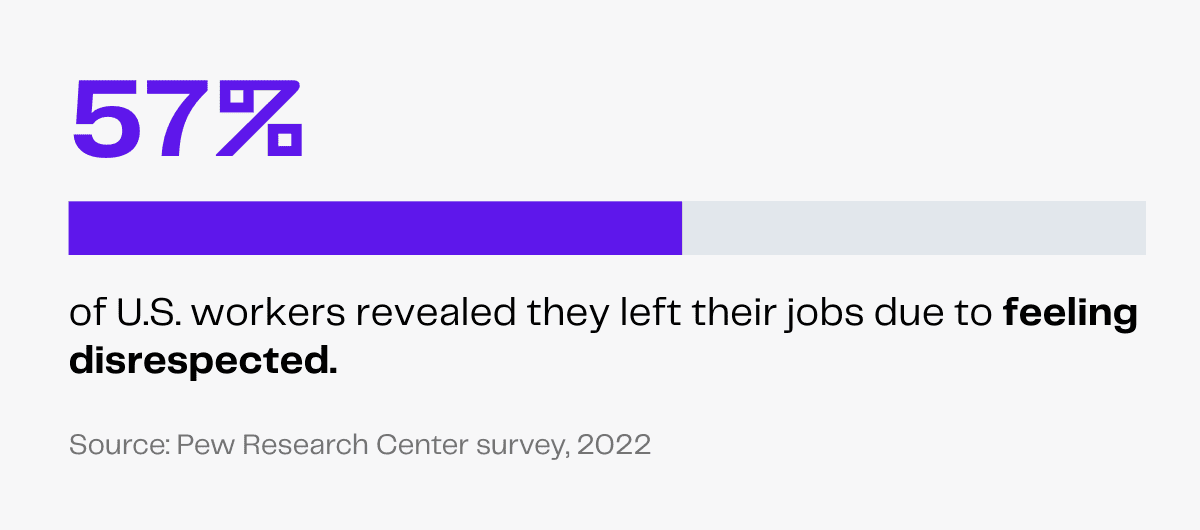
After all, no one likes being disrespected, whether they’re an intern or a senior official. Of the 6627 U.S. workers surveyed in 2021, 57% left their jobs due to feeling disrespected.
Set the example for positive, effective communication and guide your employees on how to do the same. This harbors an environment where everyone understands one another and works in perfect harmony.
3. Provide Development Opportunities
Investing in employee skill development doesn’t just benefit them; it helps your business flourish, too. While they get the opportunity to hone their skills, you get an expert, future-ready workforce.
Plus, it boosts retention, maintaining organizational stability and reducing costly turnover cycles. A 2022 McKinsey & Company study revealed ‘lack of career development and advancement’ as the top reason for people quitting their jobs.
Start by understanding your team’s existing skillset and career aspirations. Do they have any skill gaps? Are there any new fields they want to explore? What are their goals for the future?
Online courses are the easiest way to upskill your virtual team members. Provide subscriptions to platforms like Coursera and Udemy or organize webinars by industry leaders.
Additionally, continuous development should also be prioritized for all members, not just new hires. Ongoing training avoids skill stagnation, keeping workers sharp, relevant and prepared for industry shifts.
However, such learning should always be self-paced and optional, so your team members aren’t pressured into something they lack the time or mental bandwidth for.
Additionally, provide actionable feedback regularly to help employees recognize their shortcomings and guide them toward improvement.
4. Show Appreciation and Gratitude
Maslow’s hierarchy of needs identifies appreciation as a fundamental human need. In the workplace, appreciation is one of the biggest motivators. Yet, surveys reveal that 39% of employees feel unappreciated at work.
When employees get recognition for their efforts, it motivates them to perform even better. Meanwhile, lack of due appreciation leads to discontentment and disengagement, causing poor outcomes.
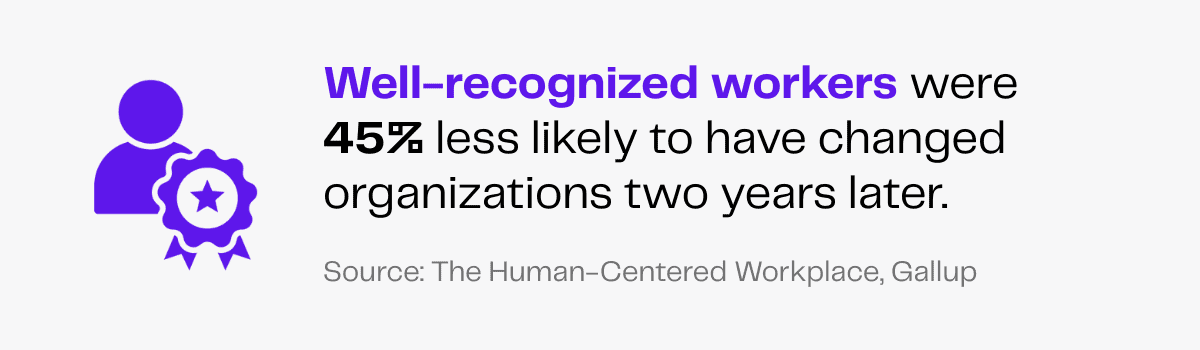
Well-recognized employees were 45% less likely to have changed organizations two years later.
While a pat on the back for good performance works for physical employees, remote teams need more deliberation and intentional appreciation.
It falls on team leads to cultivate a culture of respect and appreciation—thank you messages, shout-outs in the team chat and peer recognition should be ingrained in company culture.
Instead of only highlighting results, acknowledge your members’ efforts and commitment as well.
However, be mindful of what you reinforce.
Publicly praising employees for working extra hours or overextending themselves puts unhealthy pressure on others to do the same. This sets a harmful precedent, pressurizing employees into sacrificing their well-being for work. Instead, highlight efficiency and working smart.
Going the extra mile on special occasions with gift cards, bonuses or extra time off also strengthens team morale.
Lastly, while offering criticism, follow the praise-correct-praise method to keep the conversation motivating.
- Praise: Start by acknowledging the person’s efforts. “I can see you’ve done extensive research for this report.”
- Correct: Give specific feedback on what needs improvement. “However, there are some inconsistencies in your sources. Please re-check them for accuracy.”
- Praise: End on a positive note. “Once that’s fixed, this will be an insightful report, good job!”
5. Host Team Building Activities
Virtual team-building activities are a fun, no-cost way of fostering team spirit in your remote employees.
They provide a stress-free environment for remote members to engage with one another, helping them overcome feelings of isolation and disconnection.
Some fun ideas to consider are:
- Virtual games: Play quizzes, scavenger hunts or escape room games with team members.
- Icebreaker sessions: Engage team members in easy icebreakers like ‘Would you rather’, ‘Show and tell’ or ‘Two truths and a lie.’
- Casual conversation: Instead of always rushing to the agenda in meetings, spend a few minutes having genuine conversations with coworkers.
- Co-working sessions: Organize virtual co-working focus sessions for shared accountability (optional, of course!)
- Hobby clubs: Create virtual book or movie clubs to discuss common interests and build deeper connections.
- Guided meditations: Lead guided meditations to promote relaxation and mindfulness, prioritizing the overall well-being of team members.
- Wellness challenges: Host wellness challenges for step counts or hydration, encouraging employees to maintain a healthy lifestyle.
It’s best to schedule such activities during periods of low-volume work. However, if you’re organizing games outside work hours, keep them optional to avoid interfering with personal commitments.
Additionally, keep time zones, cultural backgrounds and individual preferences in mind to ensure everyone feels comfortable and included.
6. Promote Work-Life Balance
In the business world, overworking is considered part of the package. Extra hours are the benchmark for productivity and taking time off feels like an unattainable luxury.
In reality, excessive work is far from productive—it’s a one-way ticket to burnout. Besides damaging both the mental and physical health of workers, it diminishes virtual team motivation and work performance.
In remote work environments, disconnecting is harder due to 24/7 digital connectivity and blurred work-life boundaries.
This makes it even more crucial to reinforce a healthy work-life balance for remote employees. A well-rested workforce is far more likely to deliver high-quality results than an overwhelmed, overextended team.
Specific work hours are the stepping stone to avoiding overwork. Assign realistic goals and persuade your employees to complete all tasks within the set time frame.
Additionally, remind them to pause between work for better focus and discourage after-hours communications.
A few other ways to prevent burnout are:
- Allow employees to take their rightful leave without guilt, as long as sufficient notice is given.
- Trust employees to take sick days without requiring elaborate explanations or doctor’s notes for short-term absences.
- Prioritize results over hours worked and provide flexible scheduling wherever possible.
- Support wellness through counseling services, meditation sessions and virtual fitness classes.
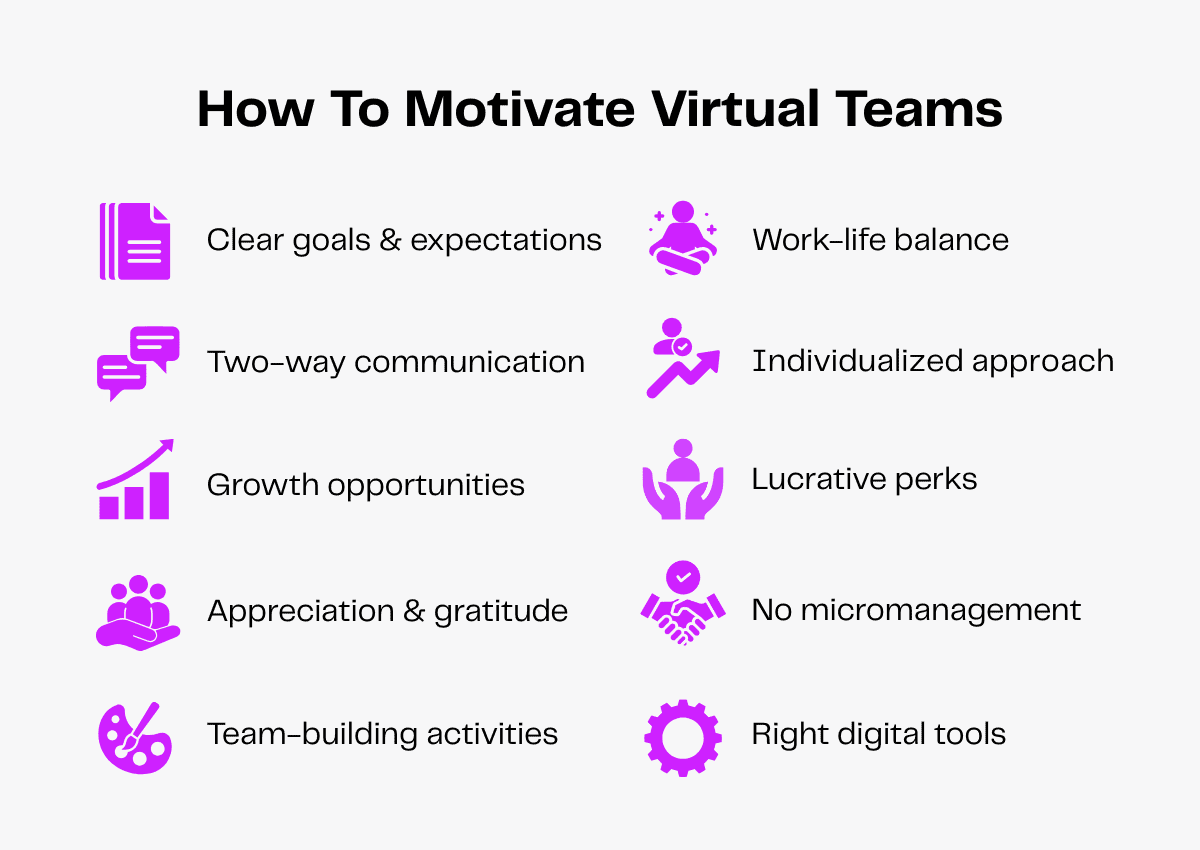
7. Take an Individualized Approach
While motivation is essential for all employees, a one-size-fits-all approach won’t bring success.
Each employee is driven by different motivators and the work of a good manager lies in identifying and nurturing them.
The most common motivators are:
- Competitive pay
- Advancement opportunities
- Flexibility
- Benefits
- Recognition
- Work-life balance
- Challenging work
- Belonging
A balanced mix of these factors creates a culture where every employee can thrive.
Begin with one-on-one conversations with your team members to understand their personal goals, preferences and challenges.
While some prefer discussions on video calls, others may benefit from written communication. Keeping preferred communication styles in mind makes it easier to connect with each employee.
An individualized approach also works wonders when assigning tasks. Aligning objectives with individual strengths helps employees perform at their best, boosting both productivity and engagement.
For instance, in a customer support team, one employee may excel at multitasking while another is skillful at de-escalating tense situations.
By letting the former handle high-volume live chats and the other take care of frustrated customers, you create a win-win situation for both your business and employees.
8. Offer Lucrative Perks
While competitive salaries attract employees, great perks make them stay.
An ideal benefits package covers health, financial security and career growth, ensuring well-rounded support.
Such perks enhance job satisfaction, boost morale and make employees feel valued.
Fundamental benefits like health insurance and sufficient paid time off are essential for employee retention. In 2021, 43% of workers left their jobs due to unsatisfactory benefits.
When considering perks, focus on practicality, inclusivity and alignment with employee needs. Some valuable benefits to consider are:
- Mental health days: Allocate a few ‘sick days’ to let employees recharge their minds, no questions asked.
- Birthday PTO: Grant paid leaves on birthdays so employees can enjoy and celebrate their special day without work constraints.
- Compressed work weeks: Instead of 8 hours/5 days a week, keep options for 10 hours/4 days a week to provide an extra rest day.
- Vacation stipends: Help employees enjoy well-deserved vacations by covering flight expenses or accommodations for their personal travels.
- Performance-based bonuses: Show workers your appreciation by providing bonuses for meaningful contributions.
- Childcare stipend: Support working parents by making quality childcare affordable and accessible with childcare stipends.
- Pension/retirement plan: Ensure the long-term financial stability of your employees with robust retirement plans.
9. Avoid Micromanaging
Strict supervision may seem like a good way to get foolproof results, but it does the opposite.
In truth, micromanaging stifles creativity, slows down productivity and makes employees second-guess themselves.
When you control their every move, workers feel mistrusted, becoming disengaged and unmotivated.
Being under scrutiny also creates undue stress, causing employees to question their capabilities. The result? Tasks take longer to complete as workers hyper-fixate on every little detail.
Instead, trust your team members to complete tasks independently. Set clear goals and expectations from the get-go and let them finish before intervening.
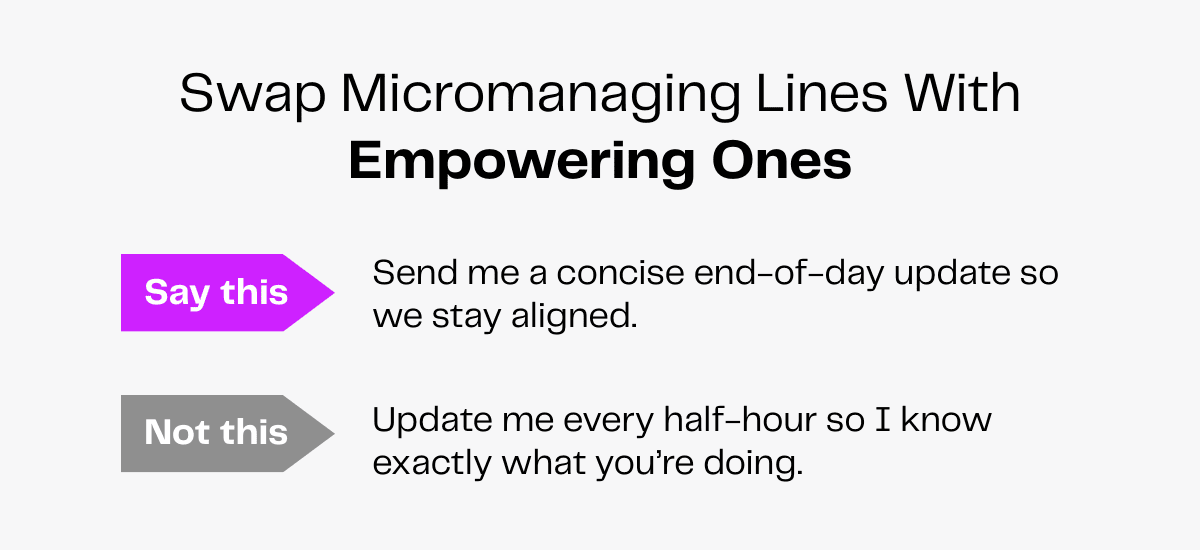
If you’re worried about alignment, set up a knowledge base with clear guidelines. Include FAQs, KPIs, company policies, instructional videos, software tutorials and other resources.
This time-saving measure ensures employees understand their roles and complete tasks efficiently without needing constant guidance.
What’s more, this saves you time as well. No more clarifying the same doubts repeatedly and reviewing the same guidelines every time you hire a new member.
Without unnecessary burdens, you stay productive, refocusing your energy on more important tasks.
10. Leverage The Right Digital Tools
Digital tools are like offices for remote teams.
Remote workers spend approximately 20 hours per week using digital communication tools, which makes choosing the right ones crucial.
These apps facilitate communication and collaboration, helping team members stay connected and productive no matter where they are.
To bridge the distance between your virtual employees in an accessible and secure way, select easy-to-use tools with strong data protection features.
Some common uses for digital tools are:
- Communication: Use messaging apps like Slack and Microsoft Teams for team chats, quick updates and announcements and video conference tools like Zoom or Google Meet for detailed discussions and presentations.
- Collaboration: Work on documents, spreadsheets and other projects in unison with other members using Google Workspace or Asana for efficient teamwork.
- Project management: Utilize tools such as Trello or Asana to organize tasks, track progress and monitor deadlines. Online whiteboards can also be used for brainstorming sessions.
- Productivity tracking: Stay informed on employees’ productivity and work patterns through productivity tracking tools like Clockify and Hubstaff.
- Training and development: Offer structured courses and interactive training sessions to improve knowledge using platforms like TalentLMS and Trainual.
In a survey, 56% of workers said that tool fatigue, like toggling, alerts and redundant platforms, negatively affects their work each week. Too many tools hamper productivity by causing app overload.
So use integrated apps that work well with each other. Review the effectiveness of your tools regularly and adapt accordingly to simplify workflows.
11. Measure Employee Engagement
Employee engagement is the level of enthusiasm and commitment workers bring to their job, coworkers and your organization.
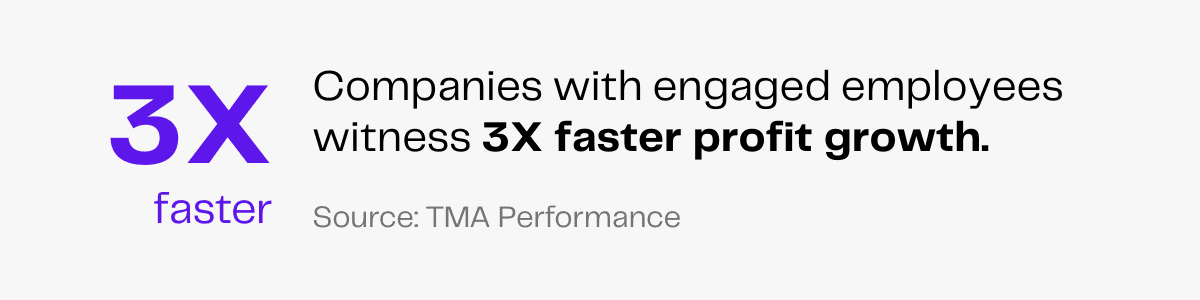
It’s directly linked to motivation since motivated employees make engaged team players. Companies with engaged employees witness 3 times faster profit growth.
If you’re implementing strategies to enhance virtual team motivation, you must check if they’re working.
Some ways to analyze employee engagement are:
- Surveys: Use pulse surveys with meaningful questions and feedback forms with Likert ratings to gauge satisfaction.
- Participation tracking: Monitor participation and engagement levels during meetings, team events or chats.
- Performance review: Track task completion, efficiency and absenteeism rates to assess interest and commitment.
- One-on-one check-ins: Have individual discussions with employees to get an in-depth look into their concerns.
- Analytics tools: Utilize engagement analytics tools such as Officevibe and Culture Amp to measure employee satisfaction, productivity and perception.
Looking out for warning signs can also apprise you of potentially disengaged employees. These include:
- Lack of initiative and enthusiasm
- Increased absenteeism and delays
- Poor responsiveness to messages
- Decline in the quality of work
If you notice such red flags, the first course of action is to reach out and have an open conversation.
An aggressive or accusatory approach will be counterproductive, so focus on being patient, attentive and compassionate to find the root cause and discover a solution.
The Importance of Motivating Virtual Teams
When workers perform at full capacity, so do the organizations.
Motivated employees are an organizational asset who improve efficiency, accelerate growth and foster a positive company culture.
On the contrary, when employees aren’t motivated, the organization suffers.
Take a look at the comparison below to understand the importance of motivating a virtual team.
| Indicators | Motivated Teams | Unmotivated Teams |
|---|---|---|
| Job satisfaction | Engaged in work and invested in company goals. | Detached and going through the motions without enthusiasm. |
| Productivity | Efficient and timely task completion. | Struggles to stay organized, leading to delays or missed deadlines. |
| Performance | Willing to take initiative and contribute meaningfully. | Lack of initiative and minimal participation. |
| Growth | Positive attitude and open to constructive criticism. | Negative attitude and resistance to change. |
| Retention | Feels valued and appreciated, ensuring long-term retention. | Feels undervalued, increased risks of high turnover. |
| Collaboration | Seamless and effective collaboration between members. | Team members are disconnected, leading to impaired collaboration. |
| Company culture | Growth-oriented and supportive company culture. | Stressful and siloed company culture. |
How To Build an Efficient Virtual Team
Motivating a virtual team begins with building the right one.
In a team where workers are incompetent and unreliable, motivation is a distant dream.
But when your team is built on solid foundations—expertise, accountability and teamwork—motivation comes easier. With the right motivators, a cohesive team operates at peak efficiency.
The first step is assembling the right people who align with your mission.
But how do you choose efficient remote workers from the vast global pool? Where do you find them and how do you recruit them?
Outsourcing makes this challenge ten times simpler. Hiring from an outsourcing company like Zenius means wasting zero time on sifting candidate applications and conducting lengthy interviews.
Choosing the right agency is half the job done. So remember to ask mindful questions and conduct role-specific assessment tests to hire the best possible team members.
The final step is to lead your virtual team effectively. Start with hosting icebreaker sessions to make everyone feel comfortable with each other and your company culture.
Also, remember to identify challenges like communication barriers, find ways to connect beyond work, balance your team’s workload, encourage accountability and offer timely feedback.
Keeping these tips in mind, you can build and manage your dream team easily!
Wrapping Up
Motivated virtual teams are the fuel that keeps your company running smoothly.
It may seem like an individual concern, but unmotivated employees are a risk to your organization.
Beyond reduced efficiency and low-quality work, a lack of virtual team motivation can lead to huge financial losses. A 2024 survey found that low employee productivity costs businesses $183 billion annually.
Plus, unhappy employees are more likely to quit, saddling you with high turnover costs.
Therefore, proactively motivating your virtual teams is the best way to maintain a high-performing workforce.