
Key Takeaways
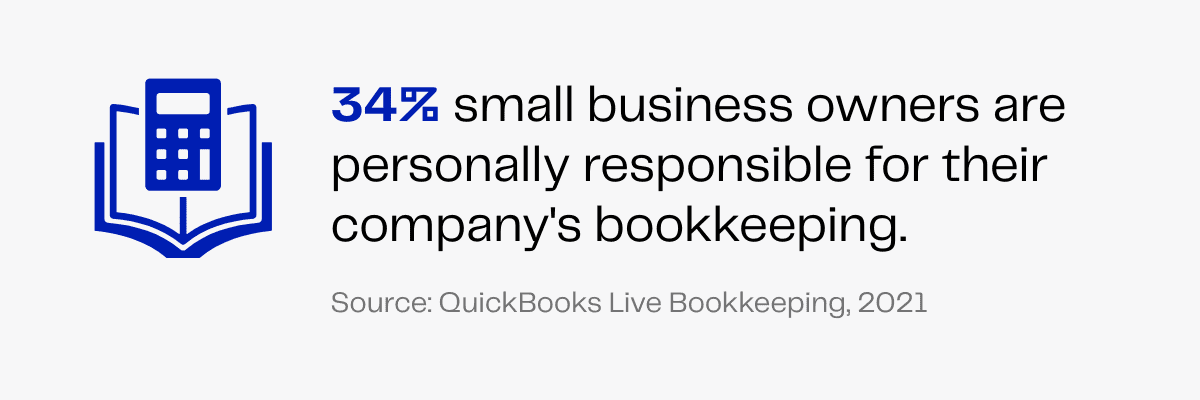
34% of small business owners are personally responsible for bookkeeping. Delegation is an option to save time & avoid errors.
Digital bookkeeping is associated with improved growth & profits, which explains the widespread adoption of cloud accounting software.
Forget pen-and-paper or outdated desktop software!
87% of companies now rely on hybrid or cloud tools for bookkeeping, with the online bookkeeping and accounting software market size witnessing growth at a CAGR of 11.9%.
If you’re wondering how to keep up with these trends, virtual bookkeepers are a smart, scalable solution.
When most accounting procedures are being done online, it makes no sense to spend extra on office space and supplies for in-office bookkeepers.
Virtual bookkeepers are not only cost-efficient, but they also help you leverage modern accounting tools to streamline your financial management.
Let’s explore all the benefits of virtual bookkeeping!
What Is Virtual Bookkeeping?
People tend to use bookkeeping and accounting interchangeably. However, there’s a distinction.
You can say bookkeeping is a subset of accounting. It involves clerical tasks like recording day-to-day financial transactions, preparing reports and reconciling bank statements.
Bookkeeping lays the foundation for accounting, which involves analyzing reports, tax planning and auditing.
A virtual bookkeeper performs all the same tasks as an in-office one. The only difference is that they do it from a remote location using cloud-based software.
Virtual bookkeeping is ideal for small businesses and startups, since you can access specialized skills without spending extra on in-house hires.
What Are the Benefits of Virtual Bookkeeping?
Needs and expectations differ from business to business. You should weigh the pros and cons of hiring a virtual assistant and make a decision based on your goals.
Let us assist you with that. Here’s why you should hire a virtual bookkeeper.
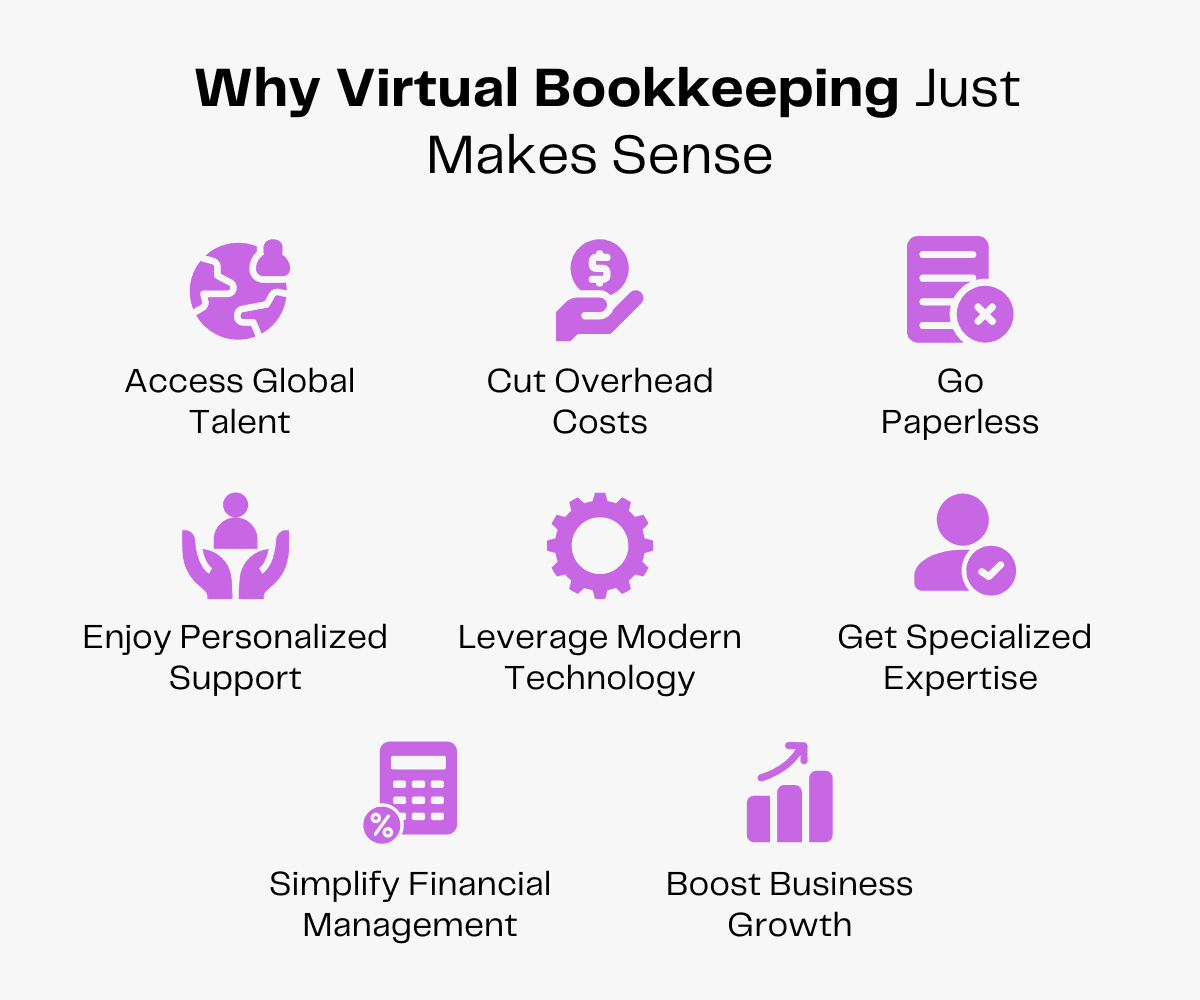
Access the Global Talent Pool
Virtual staffing lets you hire talent from anywhere in the world. Your search for the best candidate is no longer restricted by geographical boundaries.
With a pool of skilled and experienced professionals at your fingertips, you are more likely to find the right fit for your business.
Moreover, hiring employees from diverse cultures brings global perspectives and innovative ideas.
Hiring employees from across the globe also enables broader time zone coverage. By recruiting candidates from multiple regions, you can extend your operational hours, reduce delays and maximize productivity.
Cut Overhead Costs
Hiring in-office bookkeepers means you don’t just pay them a salary but also offer benefits like health insurance, retirement plans and paid time off.
In contrast, virtual bookkeepers are paid just for their work. Many virtual employees also have prior experience, allowing you to cut back on extensive training costs.
Plus, if you hire through outsourcing companies like Zenius, you can save further on recruitment, onboarding and payroll costs.
While all businesses can benefit from virtual bookkeepers, small businesses gain the most. No on-site hires means no need for extra office space. This lowers expenses on rent, electricity, work computers and other tech equipment.
Startups and small businesses also get the flexibility to scale their workforce according to current needs and market changes.
Go Paperless
Traditional accounting was done on paper. As the name suggests, bookkeeping involved “keeping books”—recording transactions in physical ledgers.
In the late 1970s, the process began to get digitalized. VisiCalc was the first spreadsheet software that enabled financial modeling on the computer in 1978.
We’ve come a long way since then! Today, 66% of firms use digital systems for their financial operations.
This is because virtual bookkeeping is much more convenient, organized and secure.
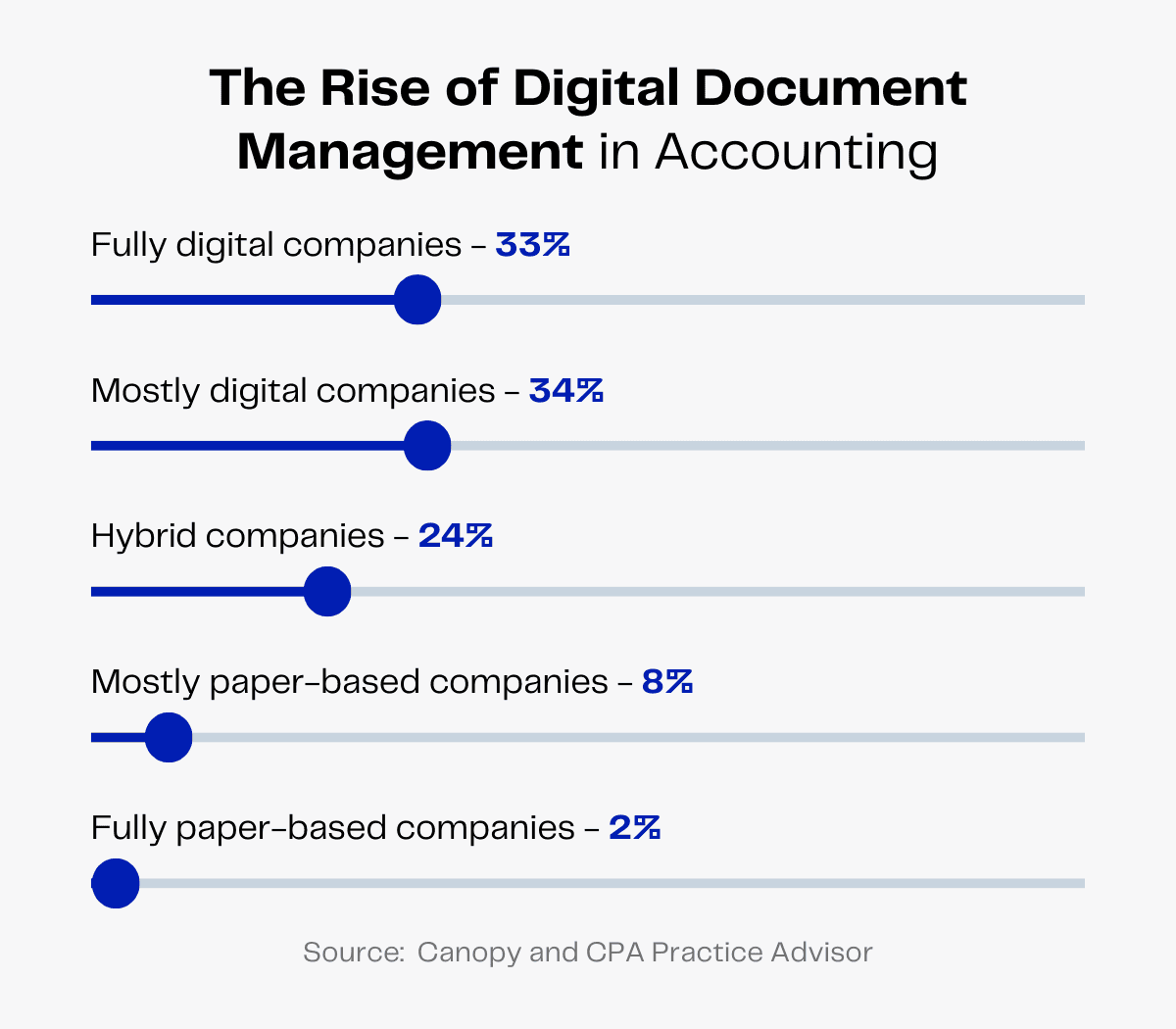
You can store and access all your important financial records in cloud-based systems. No need for filing cabinets or sifting through stacks of paper.
Other benefits of virtual bookkeeping include:
- Reduced use of paper, making it an eco-friendly option.
- Robust security measures that keep sensitive data safe.
- Fewer manual errors and more accurate records.
With virtual bookkeepers, your financial data stays protected, easily accessible and audit-ready.
Enjoy Personalized Support
Virtual bookkeepers are more flexible than in-office workers. When you hire someone on-site, they follow the same schedule as you and are unavailable beyond those set hours.
But with virtual bookkeeping, you can access global candidates, take advantage of time zone differences and set working hours that suit your needs.
This setup is more accommodating and offers a level of flexibility you won’t find with office staff. Need something done outside your 9-to-5 time? You can hire virtual bookkeeping assistants for the desired working hours.
Virtual bookkeepers can even match your industry’s specific needs and regulations. For instance, an e-commerce business may need bookkeepers with experience in bulk vendor orders, while a healthcare clinic will want someone with knowledge of medical billing and insurance claims.
Moreover, you’ll be able to focus on your core priorities while they handle the numbers. Just check in from time to time and offer feedback or guidance.
With your financial data in professional hands, you can stop worrying and achieve a greater peace of mind.
Read more: 12 Businesses That Need Virtual Assistants
Leverage Modern Technology
The era of digital accounting is brimming with software that is fast, smart and efficient.
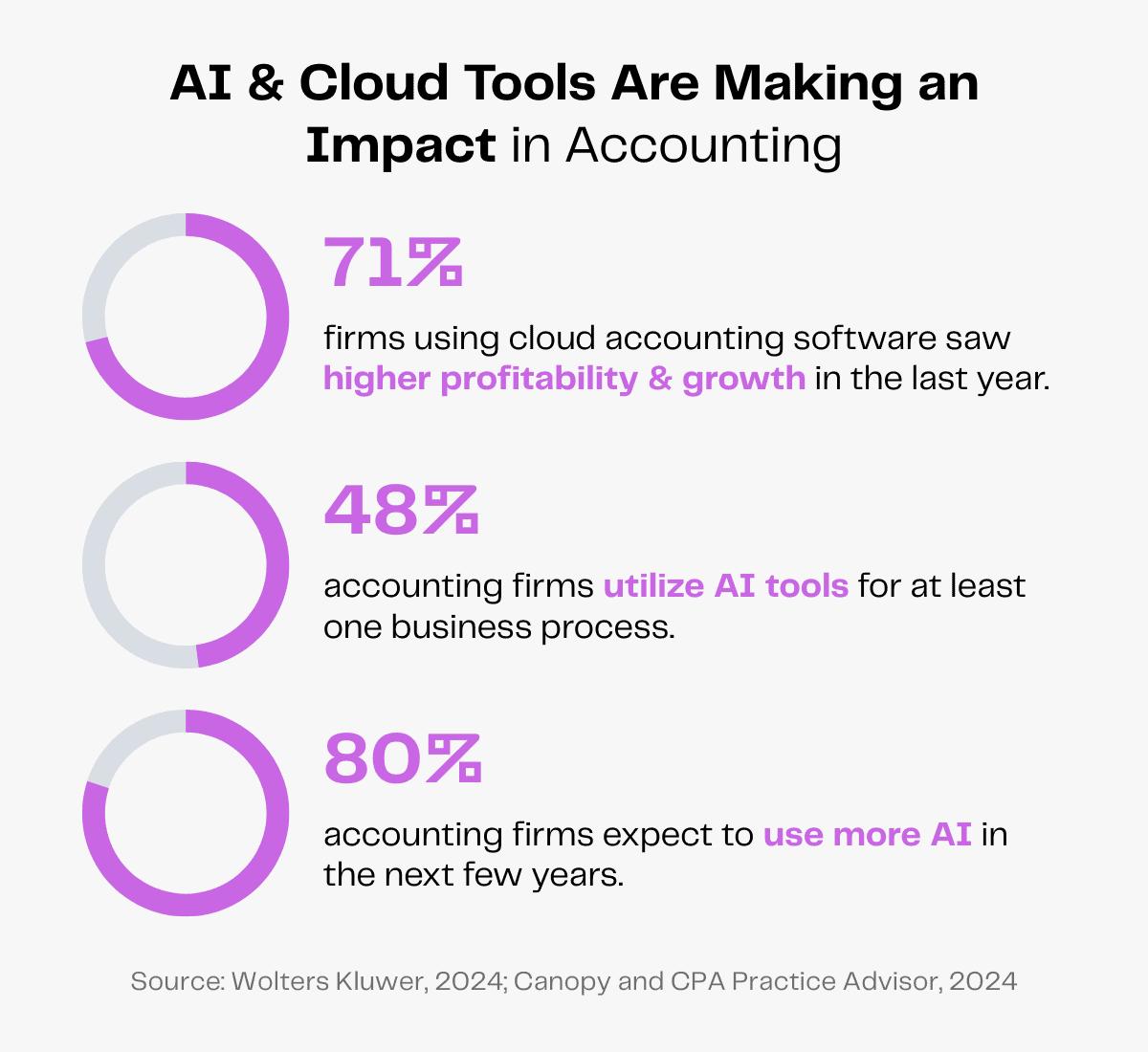
According a recent survey, 48% of accounting firms use AI tools for at least one business process. Among them, 34% use AI for writing, 14% for accounting tasks and 12% for data entry.
With skilled virtual bookkeeping assistants, you can leverage these modern tools and gain a competitive edge over other businesses.
If your in-house team lacks experience with specific platforms, simply hire a global professional who’s already up-to-date with the latest technology. Whether it’s a QuickBooks virtual assistant or someone familiar with FreshBooks, you can find candidates who match your exact needs.
These talents use modern bookkeeping tools to boost efficiency, enhance accuracy and streamline your operations.
Instead of spending time and dollars training in-office bookkeepers, you can invest your resources into driving your business forward.
Get Specialized Expertise
Virtual bookkeepers are skilled professionals with degrees in finance, accounting or related fields. They’re not just data entry clerks but can be valuable assets to your business!
As Julie DeLong, co-founder and COO of Backyard Bookkeeper, says:
The bookkeepers of today need to become the controllers of tomorrow. … Rather than being data entry operators, bookkeepers are increasingly becoming data architects with deep knowledge of various types of data and how that data interacts and flows through companies.
Virtual bookkeepers provide accurate financial data, helping you make smart business decisions. They can even guide you on the best accounting tools and technologies to use for greater efficiency.
Before hiring a bookkeeping VA, make sure to discuss their areas of expertise. This will give you a clear idea of what kind of support you can expect from them.
Streamline Financial Management
A virtual bookkeeper helps you record and track your finances.
They ensure all data is updated, accurate and comprehensive, making accounting tasks easier and faster.
Plus, when your records are error-free, there’s a lower risk of financial discrepancies and disputes with clients or vendors.
Bookkeeping virtual assistants also help you stay compliant with accounting standards, financial regulations and tax laws. You won’t need to worry about inaccurate invoices, sales receipts, bank statements or inventory records.
With clear documentation of your cash flow, you can understand your financial health better, budget smarter and plan future investments.
Accelerate Business Growth
As a business owner, you might often find yourself fussing over finances.
After all, financial operations are a core business task demanding caution and deliberation. But you have plenty of other responsibilities too!
That’s why you need someone knowledgeable and skilled in your finance team.
A virtual bookkeeper can crunch the numbers, track transactions and maintain accurate records for you, saving you time and hassle.
With bookkeeping off your plate, you can focus on other important areas like sales, strategy and administration with a clearer mind.
Plus, virtual bookkeepers equip you with valuable financial insights. They prepare financial statements that help you understand your cash flow and expenditure trends.
This data also lets you cut unnecessary expenses and make effective decisions to grow your business.
What Does a Virtual Bookkeeper Do?
Virtual bookkeeping assistants record and manage a business’s financial transactions remotely using cloud-based software.
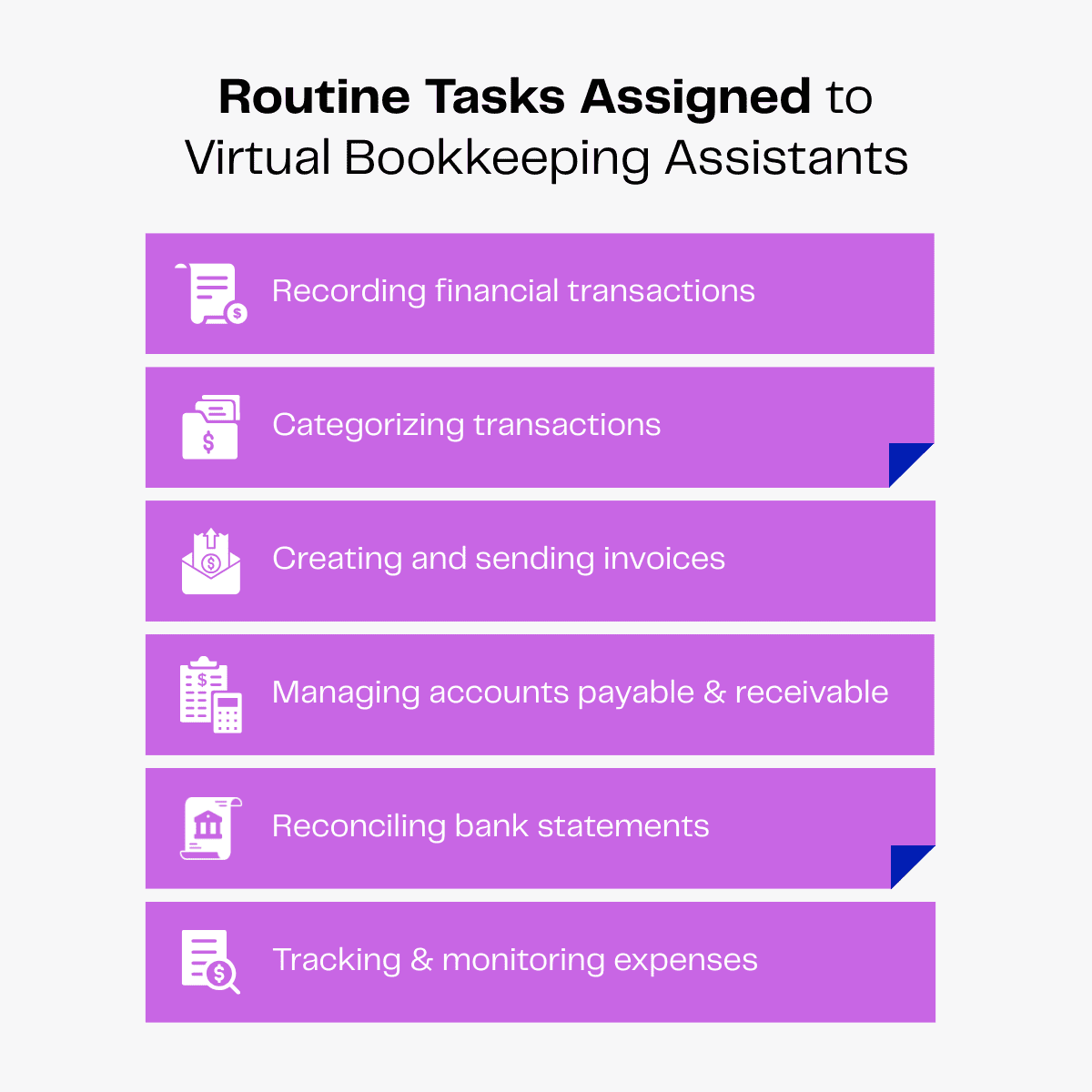
Their duties and responsibilities include:
- Recording day-to-day financial transactions
- Categorizing transactions
- Creating and sending invoices
- Managing accounts payable and receivable
- Following up on overdue payments
- Creating financial statements
- Reconciling bank statements
- Ensuring compliance with tax regulations
- Overseeing payroll processing
- Executing invoice automation
- Tracking and monitoring expenses
Based on your needs, virtual bookkeepers can use the single-entry or double-entry bookkeeping system.
Here’s a breakdown of both.
| Features | Single-Entry Bookkeeping | Double-Entry Bookkeeping |
|---|---|---|
| Entries | One entry is made for each transaction, including the amount and its description. | Two entries are made for each transaction: a debit and a credit. |
| Utility | Suitable for personal finances and small businesses. | Good for businesses of all sizes. |
| Accounts | Personal and Cash Accounts are maintained. | Personal, Real and Nominal Accounts are maintained. |
| Balance Sheet | No balance sheet, only a Statement of Affairs is prepared. | A balance sheet is created. |
| Profit or Loss | Net Profit or Loss Account is not created, financial status of the business can only be estimated. | Net Profit or Loss Account is created, offering clear insight into the business’s financial position. |
| Compliance | Not compliant with accounting standards due to incomplete records. | Widely practiced and accepted because of the completeness and accuracy of records. |
How To Hire a Virtual Bookkeeper
While hiring a virtual assistant for bookkeeping, you need to look beyond qualifications.
The right candidate should not only be competent but also aligned with your business goals.
Here’s what you can do to find the best fit for your business.
Evaluate Your Needs
Firstly, you need to assess what you expect from your virtual bookkeeper.
Consider the key skills they should possess, the day-to-day responsibilities they’ll manage and the level of expertise your business needs.
Another important factor is the software you use. Your ideal candidate should know their way around the accounting software, payroll systems and automation tools of your choice.
Contact an Outsourcing Company
Partnering with an outsourcing company is one of the most convenient, cost-effective ways to find the right candidate.
At Zenius, we take care of the hiring process for you, so you don’t waste time writing job postings, screening resumes or reviewing assessments.
Just let us know the qualifications, experience and technical skills you’re looking for. Then sit back as we work our magic and find you the perfect candidate!
Check the Candidate’s Compatibility
Once we pair you with a candidate, you can set up an interview to test if they’re compatible with your business.
Start by introducing your company, your goals and values. Then invite the candidate to talk about their background, expectations and long-term goals.
To gauge their suitability, ask interview questions about previous work experience and fields of expertise.
The conversation will also give you a sense of the candidate’s communication skills and work ethic, which helps you determine if they possess the qualities you are looking for.
If you don’t feel the spark, don’t worry. We can swiftly find you someone better suited for your business!
Onboard Seamlessly
After selection, it’s time to onboard new candidates into your company.
A seamless onboarding process will help your virtual bookkeeping assistant get acquainted with your workflows and feel at home within your team.
Start by setting up their work accounts and providing access to important internal resources such as your accounting guidelines and SOPs.
Set up communication platforms and online collaboration tools from day one and don’t forget to check in regularly for updates.
Wrapping Up
A bookkeeping virtual assistant takes over the repetitive and time-consuming task of organizing your daily transactions.
They track expenses, maintain accurate records and prepare financial statements, helping you stay audit-ready.
Virtual bookkeeping also lets you access a global talent pool and take advantage of time zone differences for greater flexibility.