
Key Takeaways
72% of new hires experience “shift shock” when they enter a new workplace.
A good onboarding setup can improve retention rates by 82%.
Does your hiring process feel like a never-ending marathon?
If it’s not creating job descriptions, then it’s resume screening, interviews or assessments—and you haven’t even started onboarding yet!
Hiring a virtual assistant comes with many benefits. But sometimes, the small steps involved in integrating a new hire can make the onboarding process feel like a chore.
In fact, if it’s your first time onboarding a virtual assistant, it can be downright intimidating. But what if it didn’t have to be?
What if there was a way to make the onboarding process easier and worthwhile for you and the new hire?
This article will tell you everything you need to know about onboarding VAs, making your process flow better and setting up a future-proof system.
What Is the Virtual Assistant Onboarding Process?
The onboarding process is simply the procedure through which you integrate a new employee into your company and its daily functions. It involves all the steps from introducing them to the company to assigning them their first task.
Because it is such a comprehensive exercise, it can last anywhere from one week to a year. The average new candidate is expected to complete 54 activities during onboarding. Moreover, not every new hire is the same.
While experienced VAs can adapt to new settings faster, newbies may need some time to settle into a new work environment.
In such a scenario, leaders must identify whether bad hiring experiences are a process problem or a candidate problem.
An effective virtual assistant onboarding template helps you more than just save time. It allows you to stay flexible. Instead of forcing candidates into a mold, you can explore how personalized onboarding can be used to accommodate different people and their unique talents.
However, flexibility in the system is only possible if there is a sound structure.
First, you need to differentiate virtual assistants from other employees because VAs simply are not your regular workers, so their onboarding needs to be different.
They are versatile remote workers who can perform day-to-day administrative tasks like scheduling appointments and managing emails or more specific tasks virtually.
They are not a part of your in-house capacity. If you are sourcing a VA from an agency, they do not come under your payroll. Plus, the agency takes care of the statutory regulations and legal compliance, too, making it easier to onboard them compared to regular employees. All you have to do is focus on training, setting expectations and guidance!
Here’s what you can do to customize the process, save time and onboard your VAs with ease.
Read More: Why Your Business Needs an Overseas Virtual Assistant
Pre-Onboarding: Preparing To Welcome Your New Virtual Assistant
Onboarding is the first experience your new hire has with your company. You want it to be a pleasant one.
Unprepared and disorganized onboarding can cost you time and resources, create interruptions in daily work and hurt employee retention.
Tirrea Billings talks about her experience of the burden of figuring everything out during onboarding.
Time and time again, in the world of communications, I have worked at organizations that assume any communications professional can be dropped into a role and immediately understand the organization’s voice, tone, brand, priorities, and strategic goals without proper guidance …
Tirrea Billings
I spent the entire time in that previous role feeling confused and disconnected. It wore down my confidence and made the work feel heavier than it should have been. That experience showed me what happens when organizations don’t prioritize onboarding, and what’s lost as a result.
Successful onboarding starts right at the hiring stage.
Before you begin interviewing candidates, you need to make sure you are clear about what you want. A clear job description can help you outline where you need the virtual assistant’s services and choose the right candidate.
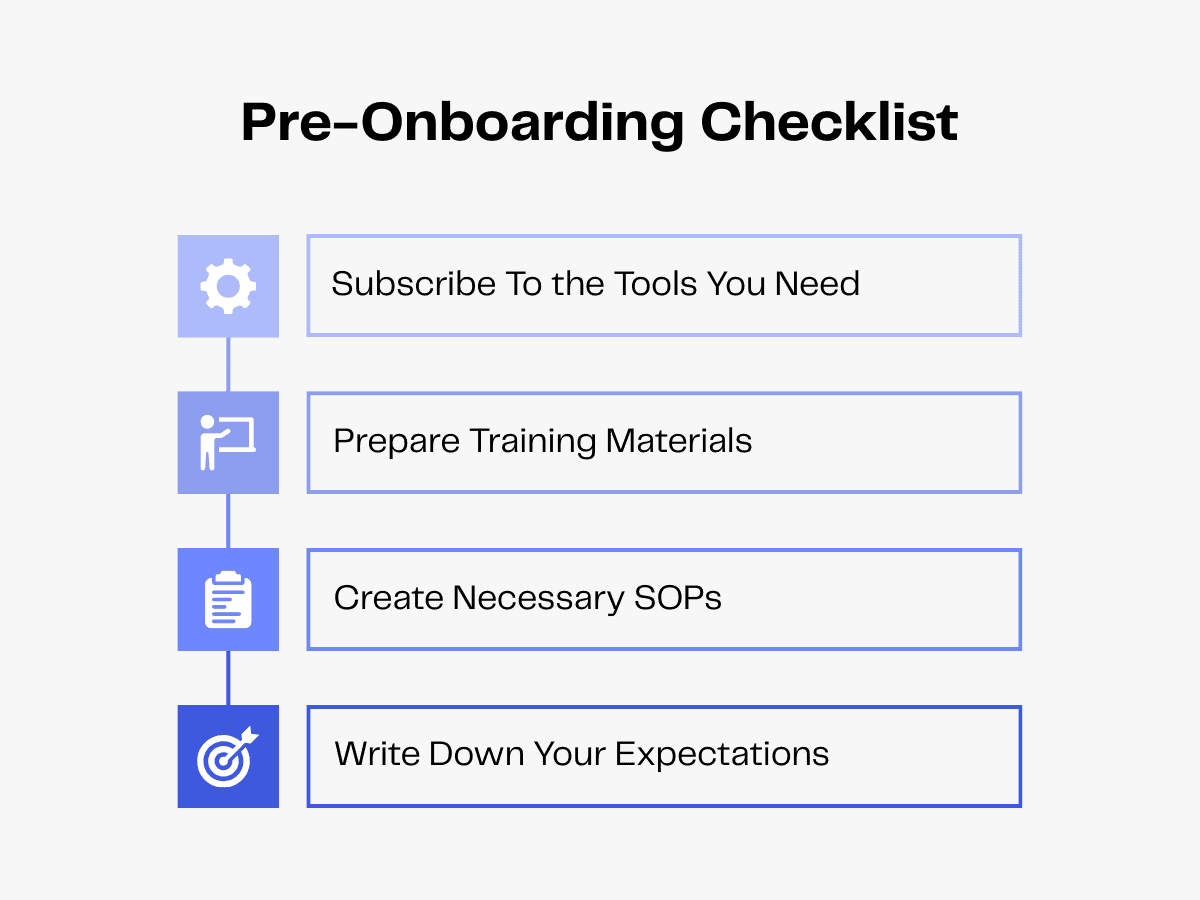
Step 1: Subscribe To the Tools You Need
The first thing you need is to set up a system through which your VA can stay connected with you throughout the day. Since they do not work on-site, you need to set up a virtual system for online communication.
A well-connected VA can jump quickly on assigned tasks and give you timely updates on the work process. You can take this time to explore different project management software, like Microsoft Teams or Slack, to facilitate communication. You can always change your decision, but it is better to have a temporary system in place than to struggle with broken communication.
Step 2: Prepare Training Materials
Think of onboarding from the new hire’s perspective. On one hand, getting no information can confuse them about the job they are meant to do.
On the other hand, getting all the information in the form of a quick call or a long, wordy document can seem overwhelming. Not to mention, disorganization can lead to mistakes and further back and forth that will ultimately distract everyone.
To avoid such problems, you can prepare and organize the resources. You can even get creative and automate the training process. Don’t forget to customize training materials. Your admin VA will need different guidance than your marketing VA or creative virtual assistant.
Instead of investing your time in every new hire, you can use audio/visual mediums to share technical knowledge and guidelines. Using modules and tests can break down large amounts of information for better understanding, keep the new hires engaged and save you time.
Step 3: Create Necessary SOPs
Once all the resources are prepared, it is a good time to draft standard operating procedures (SOPs).
An SOP is a step-by-step instruction document that details your daily processes.
It ensures consistency and quality control in knowledge sharing. This means all new recruits get the same updates and follow the same steps, reducing communication hurdles.
Plus, pre-preparing an SOP ensures you don’t have to constantly micromanage every step and worry about bridging every performance gap.
Best onboarding experience I had was where they left me alone on my first day to setup my environment + notion document of everything, like I mean everything, I needed to get up and running … I was already hitting the ground running maybe after lunch? — says a Reddit user
Creating an SOP can also help you track the pace of your projects, identify challenging areas and improve overall efficiency.
Step 4: Write Down Your Expectations
You can also take this time to make a long-term plan. Write down your expectations regarding the quality of work and performance.
If you are having trouble with how to monitor employee progress, the 30-60-90 day plan can help you manage your new hire’s first three months. The first 30 days focus on employee training and development, the next 30 days are for helping the employee build their skills and the last 30 days are for ensuring your employees meet their long-term goals.
Once you have prepared these steps, you are ready to tackle your first virtual assistant onboarding.
Simplify Your VA Onboarding With These Steps
Hiring a new VA involves a lot of steps. Without a guide or a list, you can easily get overwhelmed, miss important details, make mistakes and disrupt the workflow. So, how to onboard a virtual assistant when there is more than just productivity at stake?
The onboarding process involves taking care of all the legal and employment documentation that is required to hire new workers. If you are hiring outside the country of your operations, it is important that you learn the statutory regulations and the labor laws related to the VA’s location.
Zenius can cut your work in half by handling the nitty-gritty details like statutory regulations, tax compliance, etc., so you can focus on integrating your VA.
Here is how you onboard a virtual assistant.
Step 1: Introduce the Company Culture
The first step of every onboarding is welcoming your new hire. This involves sending them a welcome email and setting up a video call.
This is your opportunity to introduce your VA to your business niche, your company, what it does and what it stands for. This helps you set the tone and environment of the new workplace.
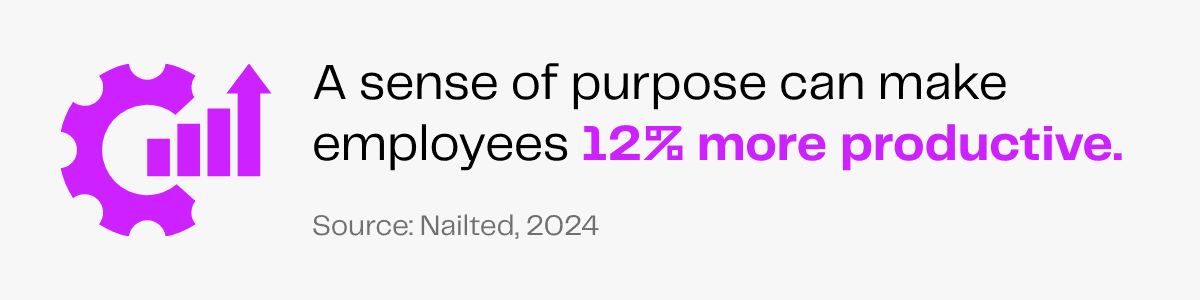
With this, the new hires understand what to expect and what purpose to work towards—a very important determinant of productivity.
Read More: 30+ Questions To Ask a Virtual Assistant Before Hiring
Step 2: Set Up Communication Channels
This is where your earlier preparations come in handy.
Remember all the tools and subscriptions you reviewed when preparing for onboarding? Now, your VAs can simply use the credentials you provide to instantly log into the channels and start communicating with you.
If you choose a VA that hasn’t previously worked with the same tools, you can easily provide a short doc. This ultimately reduces communication setup time and possible miscommunication during the initial stages of the onboarding process.
Read More: 8 Unique Ways of Connecting With Employees Virtually
Step 3: Explain the Roles and Responsibilities
Now that you know how to connect with the VAs, you can begin a conversation about the job and responsibilities they will be handling.
Since they already know the basics from the JD, avoid giving an overview. Familiarize your VAs with clear roles and expectations gradually.
Settling into a new job and a new company is not easy, 72% of new hires experience “shift shock” when they enter a new workplace. This can intimidate them and affect their performance.
The key is to be patient in explaining how the candidates fit the job. Stay available to answer their questions, but also encourage them to refer to the SOPs to reduce constant back and forth.
This can help the recruits feel more comfortable, reduce shift shock and encourage them to continue working at your company for a long time.
Step 4: Set Up Key Performance Indicators
While you are explaining the job, you should also take this time to set up some key performance indicators (KPIs) for your new hires.
KPIs help you track your virtual assistant’s growth over the onboarding period. Look out for voluntary turnover, training completion and time to productivity rates. This can help you find out the areas your new hires are struggling with and whether they feel prepared to continue working on their own.
Moreover, sharing the KPIs with the new hires can help them set realistic goals and gauge the learning curve for the coming months. It helps them visualize the quality and efficiency of work expected from them and gives them milestones to track their progress.
Step 5: Introduce the Team
Before you start delegating tasks to your virtual assistants, you must introduce them to the people they will be working with.
A VA’s job is diverse and involves constant collaboration. To blend in seamlessly and work effectively, they need to recognize who is who.
Setting up a team meeting on a video call can help in quickly integrating them into their departments and show who to reach out to for specific questions.
Your in-house employees can become a support system for the new teammate, sharing the right resources at the right time and letting them in on tips and tricks.
A communicative and healthy working environment can help your VA quickly become a productive part of the team.
Step 6: Give Access to Essential Tools and Resources
Once the introductions have been made, you can start by giving your VAs the necessary tools and resources, like your task management system and AI tool guide.
Remember the SOPs you created in the pre-boarding preparations? This is where you benefit from all that preparation. You can give them step-by-step docs to help them understand where and when to use essential tools.
Step 7: Begin the Training
Even if you have found the perfect virtual assistant, you still need to give them basic, basic training specific to your business context.
Training works as a refresher for VA’s skills. The aim is to provide workflow information systematically through practice and help the new hire absorb it.
Not all VAs are the same. Some new hires, like Zenius’ pre-trained VAs, come with basic training and knowledge about the field of their work and just require a shorter, more personalized training on your unique goals. This means you can save time spent onboarding them.
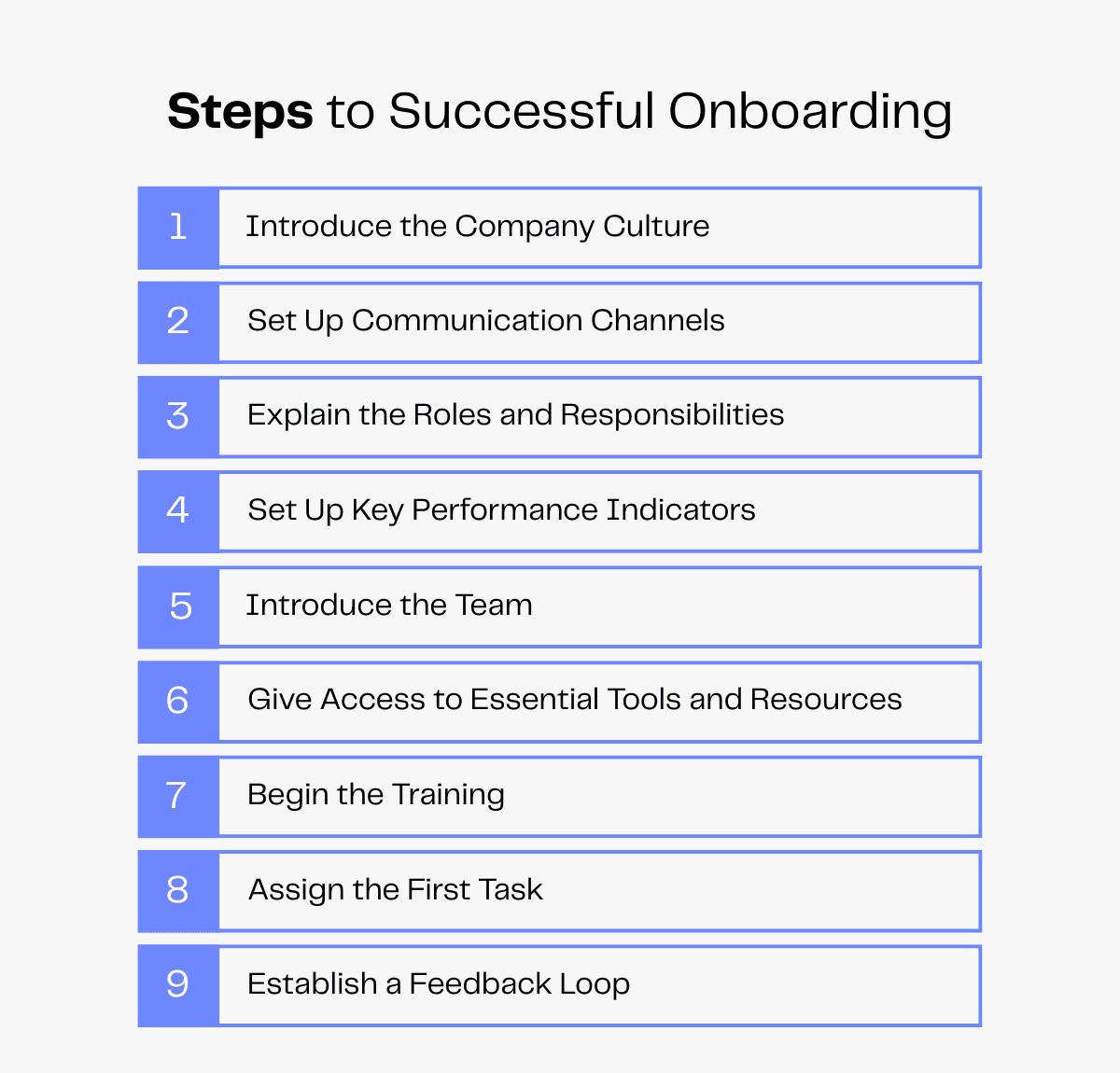
Step 8: Assign the First Task
With all the resources given and your VA in training, you can finally assign them their first task! Simply choose a general task that covers their skillset and let your VA navigate the job.
A good starting point is an easy task, gradually moving towards complicated workflows. This helps in building recruit confidence and makes it easier to give valuable feedback.
Step 9: Establish a Feedback Loop
But before you leave your VA to get used to their daily routine, remember to set up a strong feedback loop.
Despite the best measures, some hiccups are bound to happen when you are onboarding a virtual assistant. Take this as an opportunity to give them a virtual assistant onboarding questionnaire and constructive feedback to guide the VA’s efforts in the right direction and help them grow.
Evidently, employees whose managers get involved in onboarding through feedback, goal-setting and mentorship are 3.5 times more likely to feel prepared for their roles.
Aside from giving feedback, you can also encourage them to ask questions and share their views about the onboarding process. This can create an open and communicative environment, keep your VAs engaged with the process and show your interest in their work.
As a bonus, you can get some neat tips to improve your onboarding process flow for the future.
Why the Virtual Assistant Onboarding Process Is Important
Having an efficient onboarding process is useful for any new hire, but it is especially important for remote workers like virtual assistants.
A good virtual assistant has excellent communication skills. And yet, employers working with remote workers for the first time can have a hard time feeling connected with them. Moreover, miscommunication and workflow disruptions can sometimes happen when implementing a shift.
The onboarding experience is not only important for the VA but also an opportunity for you and the team to avoid these mistakes. Here are a few hurdles that successful onboarding can help you navigate.
Boost Communication
Communication ground rules are key to smooth remote collaboration.
An extensive onboarding helps in establishing clear communication from day one. It can help your VAs stay connected and aligned with the team. This means no silly miscommunications that cost productivity and delays.
In fact, when done properly, onboarding can raise morale and make your overall communication more effective.
Increase Productivity
Adding a new member to your processes can be disruptive. The added workload can derail your daily tasks.
Luckily, a structured onboarding journey can help your VA quickly understand the SOP and reduce the time to productivity. This means you don’t need to worry about miscommunication, mistakes or delays in the daily agendas.
In the long term, successful onboarding can look like increased productivity, retention and VA engagement.
Enhance Team Bonding
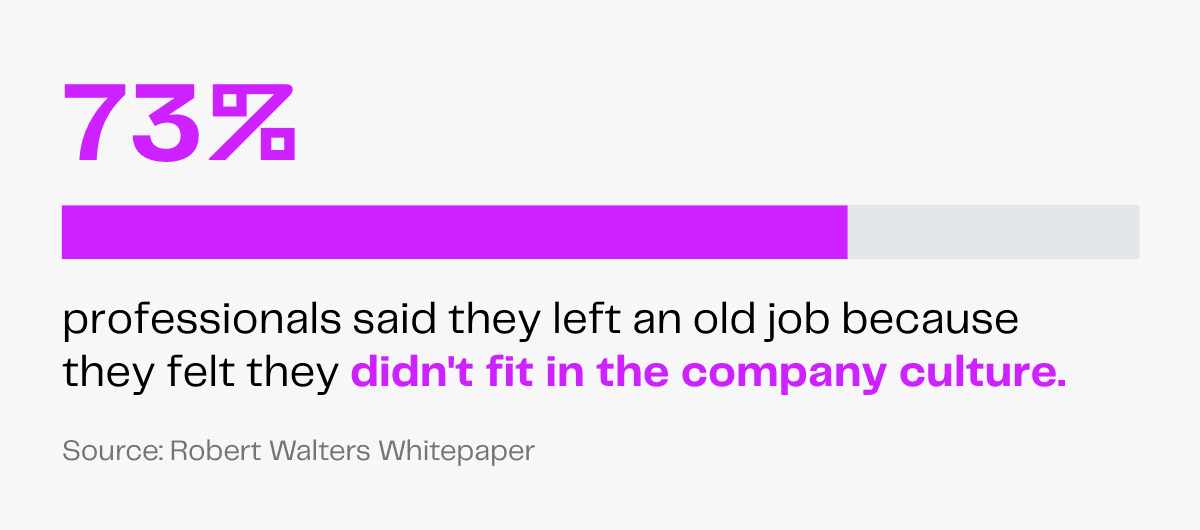
In a survey, 73% of professionals admitted to having left previous jobs due to feeling like a poor cultural fit. Now more than ever, people believe that a positive workplace culture is an important aspect of the job.
A successful onboarding can also help you establish a good relationship between your existing and new employees.
A good onboarding process can help you create a diverse and positive environment that is accommodating to your existing and future workers.
Save Time and Money
Hiring new employees is not a simple task. Finding the right match, onboarding and training can take a lot of time and resources and it is impractical to go through this process over and over again.
A high turnover rate can increase your expenses, waste your time and just be frustrating. Moreover, it can discourage new talent from approaching your company. A good onboarding setup can improve your retention rates by 82%.
This means you don’t need to keep spending resources on training a new hire but can enjoy the benefits of long-term team members whose goals align with your company’s vision.
Read More: Surprise Your HR Team With a Virtual Payroll Assistant!
Checklist for Easy Virtual Assistant Onboarding
Starting to prepare for onboarding can look tedious. It can be hard to keep track of all the things you need to do.
So, here is a virtual assistant onboarding checklist to help you remember all the steps.
- Welcome them to the company with an email and a video call!
- Take time to define their roles and responsibilities
- Let your VA know your expectations and KPIs
- Introduce them to the team they will be working with
- Give them access to the necessary tools
- Share all important resources
- Give training if needed
- Assign them their first task
- Set up a routine for check-ins and feedback
Don’t forget to tailor and personalize this list to fit your needs!
Wrapping Up
If you find onboarding workers a hassle, it is likely because you haven’t experienced the benefits of effective onboarding. A good onboarding process can help you save time and money. Moreover, it can make a lasting impression.
Organized onboarding can build a relationship of trust and positivity between your company and the new hires.
Furthermore, it can encourage them to continue working with you for a long time. This can, in turn, help your company look professional and attract new talent.