
Key Takeaways:
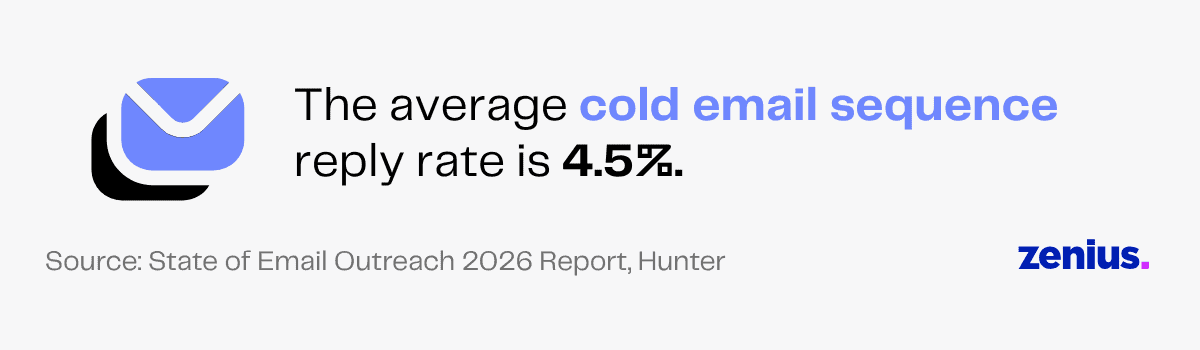
The average cold email sequence reply rate is 4.5%—which means every message needs to be carefully targeted, personalized and followed up consistently.
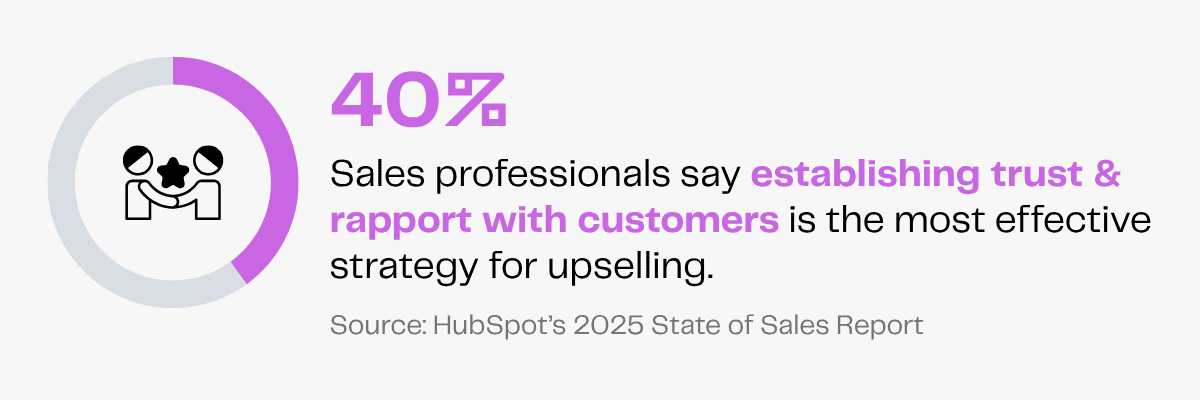
A sales VA will establish trust & rapport with your customers—something 40% sales professionals say is the most effective strategy for upselling.
Imagine your sales team starting the day with a pipeline full of qualified leads, follow-ups already scheduled, CRM records accurately updated and appointments lined up with potential customers.
Sounds too good to be true?
Not when you have a virtual sales assistant on your team!
In this competitive market, selling is no longer about making calls and sending emails, hoping for the best. It involves actively researching ideal leads, qualifying prospects, managing customer data, tracking follow-ups and preparing reports for insights.
While your sales team focuses on building relationships and closing deals, a sales VA proactively handles such behind-the-scenes tasks.
The result? A more productive sales team, stronger customer engagement and greater opportunities for prospect conversions!
What Tasks Can Businesses Outsource to a Sales Virtual Assistant?
From prospect research to sales reporting, virtual sales assistant services involve handling time-consuming yet essential tasks that keep your sales process moving.
By outsourcing such responsibilities, businesses ensure a consistent sales workflow, improve lead nurturing and free up their sales teams to focus on closing deals.
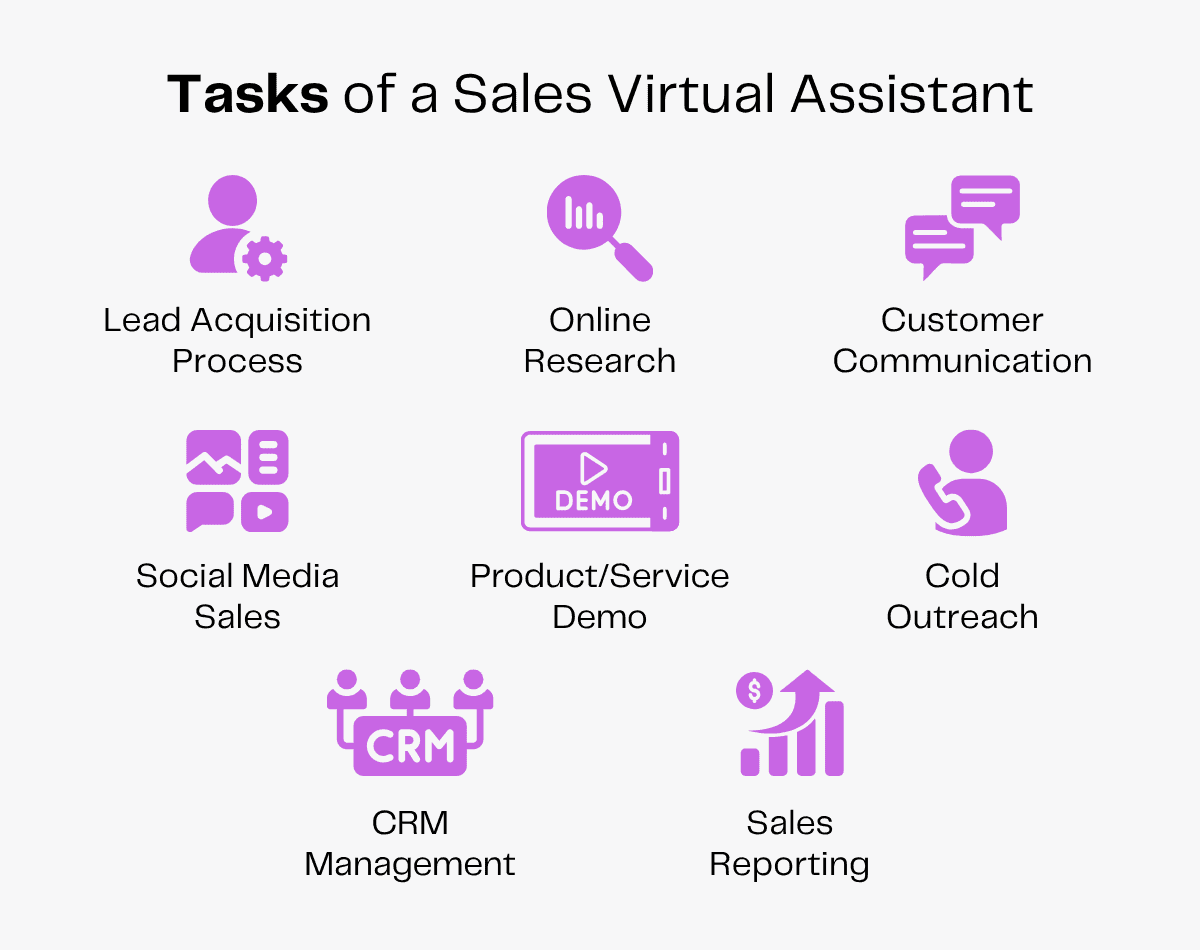
Here’s a list of tasks a sales VA can take over and support your sales team.
Customer Acquisition Support
Customer acquisition involves lead generation, lead qualification and conversion. While your core sales team handles these processes, a sales VA can assist to make them smoother.
They can work with your marketing and sales team on your lead generation funnel. Your VA can gather and organize data, define ideal customer profiles, develop a lead score model to identify and rank customers and monitor the sales cycle.
They can prepare questions to ask the lead based on a strategy. Or if you want to know the best methods, they can test it out for your team.
Research
Research is a crucial task that a virtual sales assistant handles, as it enables them to generate high-quality leads, enhance prospecting and increase the chances of conversion.
When feeling uncertain, indecision can feel like the safest option. But inaction can also cost you time, money and growth opportunities.
Janet Lam, AI solutions expert and the founder of Building Blocks Business Planning
That’s where market research steps in to replace guesswork with solid insights.
A sales VA can assist in the various stages of market, audience, customer or competitive research. This involves:
- Lead and prospect research: Identifying and compiling lists of potential customers who match your ideal buyer profile.
- Market research: Analyzing industry trends, customer behavior and emerging opportunities.
- Competitor analysis: Monitoring competitor products, offers, pricing, marketing strategies and sales activities.
- Partnership research: Identifying potential partners, investors, affiliates or referral sources.
- Sentiment analysis: Analyzing customer reviews and feedback to improve sales opportunities.
Cold Outreach
Cold outreach can take your product or service to uncharted territories for both new and existing businesses. This involves cold calling, cold emailing, lead qualification and appointment setting.
But these tasks are not as easy as they seem.
For instance, the average cold email sequence reply rate is 4.5%—which means every message needs to be carefully targeted, personalized and followed up consistently.
That’s why you need a sales virtual assistant who’ll keep your sales pipeline full while your sales team focuses on closing deals.
Your lead generation VA will contact potential customers via cold calls, cold emails or social media messages to introduce your business and its offerings.
A study shows how personalized subject lines are the most effective way to connect with a new prospect. So, when drafting cold emails or conducting cold calls, your VA will ensure the outreach messages are tailored to your leads’ pain points.
They can also conduct timely follow-ups to ensure no leads slip through.
Once a prospect shows interest, your VA can set appointments for meetings, discovery calls or demos.
With a VA handling cold outreach, you’ll increase the likelihood of receiving responses from prospects, keep your sales pipeline active and improve the chances of closing deals.
Read More: Outbound Calling Virtual Assistant: Tasks & Benefits
Social Media Sales
Social media remains a key marketing channel, with 86% of marketers using Facebook, 82% leveraging Instagram and 72% relying on LinkedIn to reach and engage their target audience.
A virtual assistant can handle social media to connect and build a network of prospects for your business.
This social selling strategy is a more convenient and personal way to generate leads and gain loyal customers. This is because it allows your VA to connect with prospects where they already spend time, build relationships through genuine interactions and understand customer needs before making a sales pitch, resulting in warmer leads.
Your sales VA can:
- Send personalized connection requests to potential leads.
- Engage with prospects’ posts and content.
- Start conversations and nurture connections with prospects.
- Manage social media outreach campaigns.
- Track outreach and engagement metrics.
Your sales VA can directly sell your products on social media, too! From initial engagement and product recommendations to closing the deal and nurturing customers for repeat business, they can manage the entire sales journey.
Product/Service Demo
Your product or service can drive sales faster if prospects experience its value firsthand.
Product demos bridge the gap between interest and purchase, helping potential customers understand how your product and offers meet their needs.
A virtual sales assistant can:
- Schedule appointments with qualified prospects and coordinate the meeting logistics.
- Organize calendars for you or your sales team with meetings and follow-ups.
- Assist in creating mock presentations by gathering product information, supporting documents and visual components.
- Support sales teams during presentations by answering basic questions or handling technical glitches.
- Assist in preparing, customizing and sending proposals, quotations and pricing documents based on prospect requirements.
- Re-engage prospects, collect feedback and move interested prospects down the pipeline after demos.
Customer Communication
When asked about the most effective strategy for upselling, over 40% sales professionals say it’s establishing trust and rapport with customers. Lasting customer relationships and repeat sales are built through consistent communication.
A virtual sales rep ensures prospects and customers receive timely responses, personalized attention and a seamless experience at every stage of the sales journey.
They will be responsible for:
- Handling customer inquiries about products, services, pricing and availability.
- Sending and responding to emails, ensuring prospects and customers receive prompt updates.
- Resolving basic customer issues and escalating complex matters to the right team members.
- Keeping in touch with existing customers to encourage repeat business.
- Sharing seasonal greetings, limited-time deals, product launches and special offer messages.
| What a Sales VA Should Do | What a Sales VA Shouldn’t Do |
|---|---|
| Listen actively | Interrupt customers |
| Use a professional tone | Use a dismissive or argumentative tone |
| Follow-up promptly | Delay responses |
| Share accurate information | Make unverified claims |
| Personalize messaging | Use generic language |
A VA in a customer service role will enable smooth customer interactions, helping you deliver faster responses, build stronger relationships and create positive experiences that turn prospects into loyal customers.
CRM Management
The global customer relationship management market is projected to reach USD 163.16 billion by 2030.
This means that businesses are increasingly relying on customer data to deliver personalized experiences, drive sales and improve relationships.
Without accurate records, businesses risk losing track of leads, missing follow-ups and overlooking sales opportunities.
Your virtual assistant can manage your CRM, keeping it organized, updated and actionable. They will:
- Update lead and customer records.
- Segment leads based on industry, location or interest level.
- Track sales activities.
- Update lead status across different stages of the sales funnel.
- Set reminders and tasks to ensure timely follow-ups.
- Generate reports on lead activity, conversion rates, pipeline performance and sales trends.
Sales Reporting
Reporting transforms raw sales data into actionable insights, helping you understand what’s working, identify bottlenecks and resolve issues before they escalate.
And a virtual assistant for sales will ensure this information is collected, organized and presented accurately.
Whether you need daily, weekly or monthly reports, your VA will compile and organize data, giving you a clear overview of the sales performance. They’ll monitor key metrics such as lead response time, total leads generated, conversion rates, revenue generated and sales activities.
With this data, you and your sales team will gain visibility into your sales to track progress, refine strategies and make confident, data-driven decisions.
Benefits of a Virtual Assistant for Sales for Your Business
Hiring a virtual assistant has more benefits than one!
A sales VA specifically helps businesses save time, increase efficiency and create more opportunities for revenue growth.
Here’s an in-depth view of these benefits.
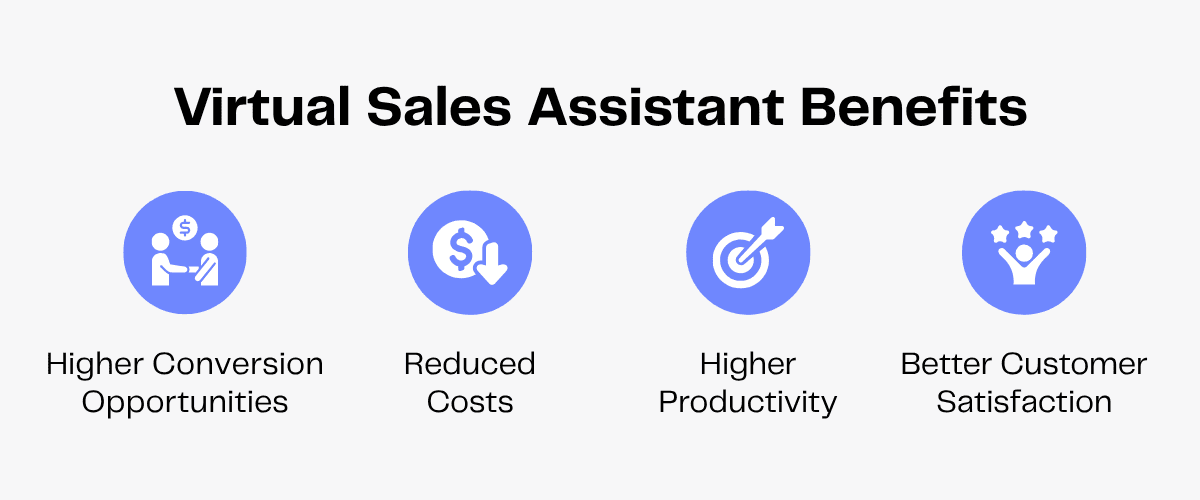
Higher Conversion Opportunities
More leads do not necessarily mean more sales. What matters is how effectively those leads are engaged throughout the customer acquisition process.
Your virtual sales associate will conduct thorough research, identify high-intent prospects and perform targeted outreach. They also nurture these prospects with timely follow-ups, schedule appointments with qualified leads and ensure no opportunity falls through the cracks.
By keeping the sales pipeline active and organized, your VA will engage the right people at the right time, increasing the chances of converting prospects.
Better Customer Satisfaction
Imagine a potential customer reaches out with a question about your product. Hours turn into days without response because your sales team is busy negotiating with other prospects. The customer loses interest, turns to a competitor and the sale is lost even before it begins.
Your virtual sales agent prevents situations like these by ensuring every inquiry, follow-up and customer interaction receives prompt attention.
With quick response times, hyper-personalization and consistent updates, a sales VA ensures your customers feel valued rather than overlooked.
When customers are smoothly guided through the sales funnel, they are more likely to trust your business and become loyal customers.
Higher Productivity
Is your sales team wasting hours updating CRM records, organizing their calendars, responding to emails and preparing sales reports when they should be closing deals?
Let a sales support virtual assistant take these time-consuming tasks off your sales team’s plate. From scheduling appointments and managing team calendars to updating customer records and preparing monthly reports, your VA will handle all the day-to-day admin tasks.
The result is a more productive sales team that spends energy on closing deals while the admin process runs smoothly behind the scenes!
Reduced Costs
Hiring a virtual assistant is often far more cost-effective than hiring in-house sales support. Businesses can access specialized skills and ongoing support without the long-term financial commitment of an employee.
With a VA hired through a staffing agency, you can avoid the heavy expenses related to recruitment, office space, equipment and employee benefits. You can save even more by hiring overseas virtual assistants.
You can allocate the saved resources to build a virtual team with sales professionals or re-invest the money toward growth.
How Sales Virtual Assistants Integrate Into Organizations
Once you onboard sales virtual assistants, they become an extension of your existing sales team.
With the right processes, tools and communication channels, they can seamlessly integrate into your daily operations.
Here’s how they fit into your business framework from day one.
Partner With In-House Teams
A virtual sales assistant specifically collaborates with the marketing and sales team.
They become strategic support partners, assisting with research, outreach, social media sales, CRM management, sales reporting and more.
This collaborative approach reduces admin workload on in-house teams, improves efficiency and ensures the sales team can dedicate more time to priority tasks.
Streamline Admin Tasks
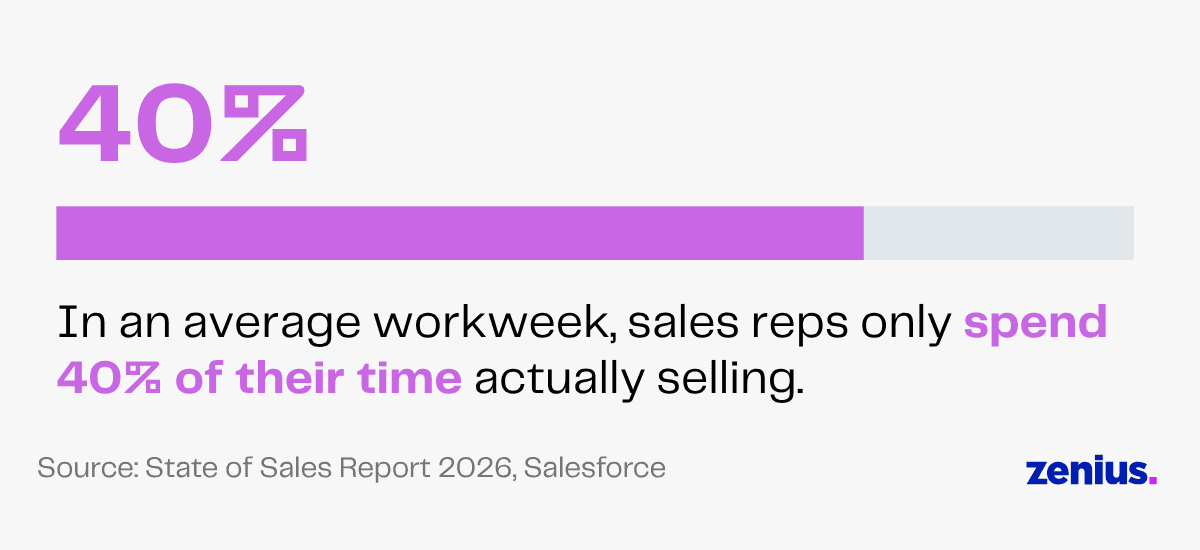
In an average workweek, sales reps only spend 40% of their time actually selling. The rest is spent on admin tasks that are overwhelming but can be easily delegated to a virtual assistant.
These admin tasks include scheduling discovery calls, managing team calendars, responding to emails, clarifying customer questions, updating CRM records, preparing sales performance summaries and more.
Maintain Communication Flow
Since virtual sales assistants work remotely, maintaining communication is the key to uninterrupted collaboration and streamlined processes. They will strive to build a communication flow using email, direct messaging platforms and video calls.
Your VA keeps sales representatives informed by sharing lead updates, meeting outcomes, customer feedback, follow-up requirements and pipeline changes.
This ensures everyone stays aligned and no opportunity is lost.
Read More: Turn Leads Into Deals With Inside Sales Virtual Assistants!
Tips To Get Started With Virtual Sales Support
Bringing virtual sales support into your business can feel like a big step, especially if you’re used to handling every lead, follow-up and customer interaction yourself.
But as your business grows and the sales process becomes more complex, onboarding a VA becomes non-negotiable.
Here are a few tips to keep in mind when getting started with a sales VA to gain maximum support.
Understand Your Needs
Before hiring, understand your problem and the solutions you’re looking for. Asking the right questions will help you determine which responsibilities must be delegated and how to set objectives.
Whether it’s inconsistent lead generation, missed follow-ups, overloaded sales teams, disorganized CRM data or time-draining admin work, clarify where support is needed the most.
Evaluate Companies
Next, find the right VA company. To do it, evaluate the pricing, features and services. When selecting one, check their competitors, past performances and reviews.
Do they provide flexible or faster hiring? Does the company comply with all regulations? Check reviews to find the answer you need!
Agencies like Zenius, for instance, offer easy replacements and scalable support.
Conduct Interviews
After you have selected a company, interview the candidate before finalizing them for your organization. Take your time in this process because it is crucial to have the ideal sales VA working for you. You will need to know their attitude and experience in the screening process.
Ask them meaningful questions. Most importantly, test their skills. You can conduct a communication and knowledge assessment to know the right fit.
Set Clear Objectives
Ensure that your sales VAs know the objectives for each task. Whether it’s generating more leads, improving follow-ups or maintaining your CRM, your objectives should align with measurable business goals.
Some examples of a sales VA could include:
- Generating 10 qualified leads per week.
- Maintain 100% CRM data accuracy.
- Follow up on all inbound inquiries within 24 hours.
- Schedule 10 sales meetings per month.
Clear, measurable objectives will help your VA prioritize tasks, stay accountable and contribute efficiently to your sales success.
Review the Work
Schedule regular reviews to assess your sales VA’s progress, discuss challenges and identify areas of improvement.
Use performance metrics to provide clear, actionable feedback while also acknowledging accomplishments, completed targets and proactive efforts. Remember to keep the feedback simple yet specific and timely.
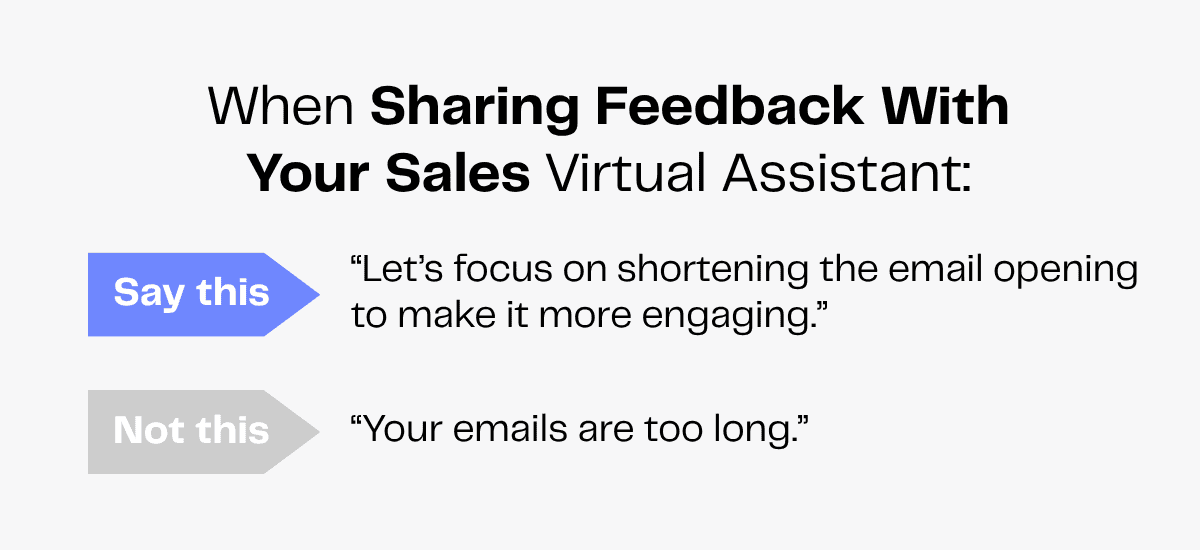
Consistent appreciation will help boost morale, strengthen engagement and encourage your VA to maintain high performance. Constructive feedback will help them take ownership of their work and strive to work better.
FAQs
What is a virtual sales assistant?
A virtual sales assistant is a remote professional who acts as an extension of your sales team. They manage sales support tasks, including prospect research, cold outreach, social media sales, customer communication, CRM management, sales reporting and more.
What are the key skills required for a sales virtual assistant?
A sales VA must be proficient in lead generation and prospect research, have communication skills for professional interactions, use CRM skills to update records accurately and be adaptable to handle sales-related challenges.
What industries benefit the most from virtual sales assistants?
Industries such as real estate, e-commerce, sales & marketing, SaaS & technology, financial services and even small businesses benefit the most from virtual sales assistants.
How do virtual sales assistants handle customer objections and follow-ups?
Sales VAs handle customer objections by patiently understanding concerns, providing relevant information, finding solutions and escalating complex issues to decision-makers. For follow-ups, they maintain a strict schedule to keep prospects engaged.
Final Thoughts
Want to keep your sales pipeline active, organized and moving forward without over-exhausting your sales team?
The solution is onboarding a virtual sales assistant.
By handling lead generation, prospect research, follow-ups, social media sales, CRM data and other tedious tasks, these valuable professionals help you move faster than your competitors.
And who wouldn’t invest in an asset that saves time, money and generates revenue that compounds into long-term growth?