Key Takeaways
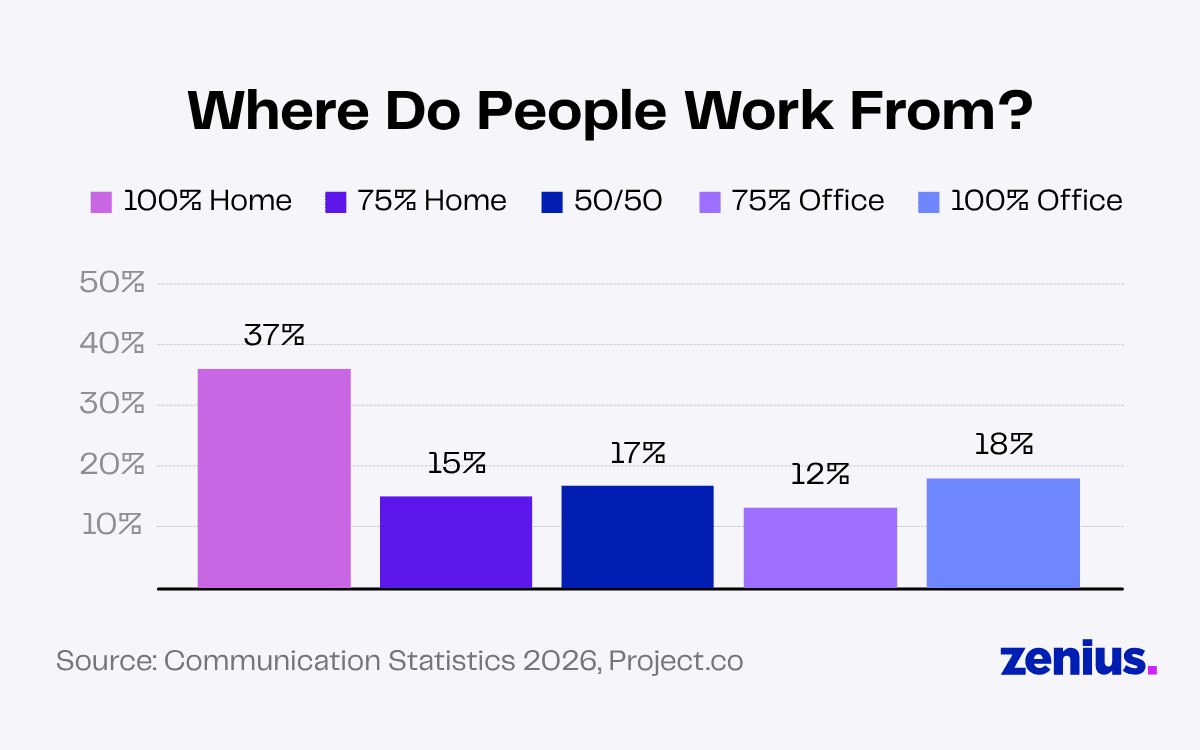
At present, 82% of employees work fully or partially remotely and only 18% work fully on-site.
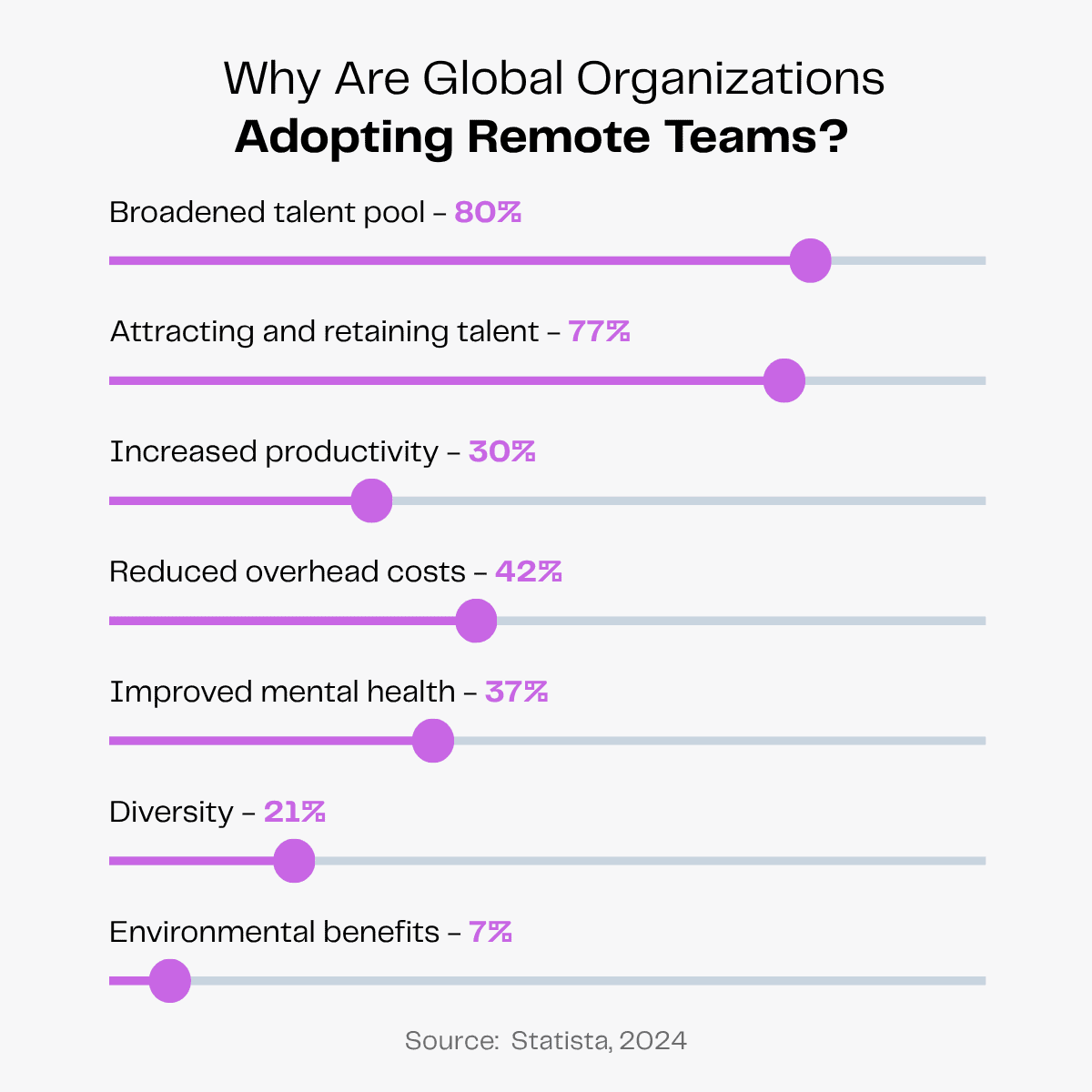
The main reasons why organizations are hiring remote teams are broader talent pools (80%) and improved talent acquisition and retention (77%).
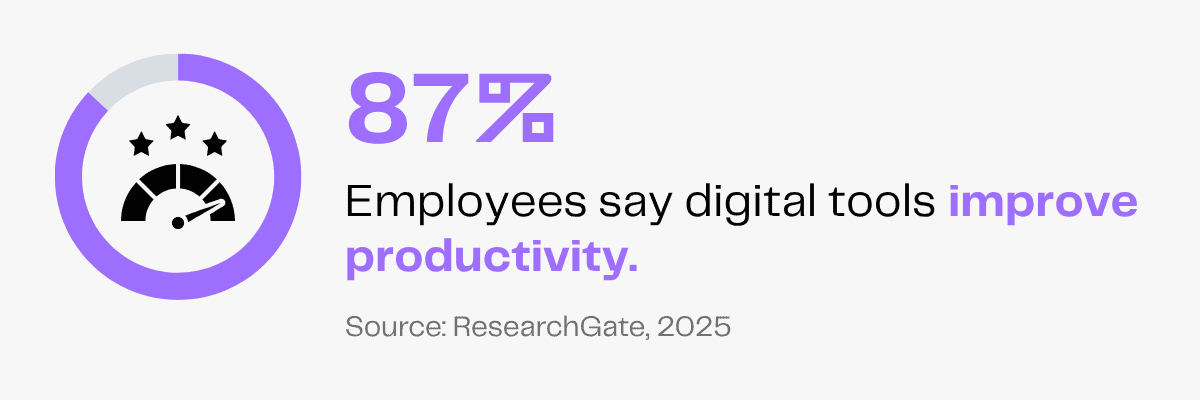
87% of workers believe digital communication tools improve productivity.
A team is a team. It doesn’t matter if it’s in-office or remote. Right?
Wrong.
When you choose between an in-office or a virtual team, you aren’t just deciding their location. You are also deciding the skills, productivity and costs of your workforce.
So how do you decide which way to go? What work is best for a business?
In this article, we explore the differences between virtual teams and face-to-face teams and which one will solve your business problems.
What Are Virtual Teams?
A virtual team consists of professionals, remote employees or virtual assistants who are skilled in various niches and provide high-quality services to businesses.
Virtual team members rely on digital tools and a stable internet connection to collaborate seamlessly and deliver projects on time.
They also use messaging, email, video conferencing, project management and other platforms to compensate for the lack of in-person, face-to-face communication.
Managers often monitor virtual teams via time tracking software to check productivity and ensure deadlines are met without fail.
What Are Traditional Teams?
Traditional teams consist of in-house employees who work physically in the office.
They also enjoy employee benefits like bonuses, insurance, Medicare, 401(k) or Roth IRA to secure retirement.
They get the opportunity to have in-person connections with their colleagues across various departments, which helps in creating a well-connected workspace.
Virtual Teams vs Face-to-Face Teams: Which Is Right for You?
The world has changed a lot since the COVID-19 pandemic and so has the way people prefer to work.
Hybrid and remote work have grown significantly and in-office models have lost their popularity.
The traditional team model is not working because the world teams operate in has changed. We now operate in a world that is volatile, uncertain, complex, ambiguous, asynchronous, and diverse, and changing at a furious rate.
Henrik Bresman, Associate Professor, INSEAD
At present, only 18% of people work 100% in the office and 82% work either fully or partially remotely.
To choose the right option for your business, you need to understand how these models differ. So let’s get into the factors that differentiate virtual teams and traditional teams.
Physical Proximity
The basic difference between virtual and traditional teams is that the former are not present in the office, but the latter are.
Virtual teams are geographically dispersed. They can be located in different cities, countries and even continents!
If you observe closely, only a few tasks require the presence of professionals in the office, while many of the everyday tasks could easily be delegated to a virtual team.
Productivity
Productivity essentially means the amount and quality of work done in a given time. This is highly dependent on the work environment in which people function.
For instance, in-office staff often indulge in small talk and frequent chats with co-workers, which may create distractions and hinder an organization’s overall productivity.
But virtual teams that work remotely don’t have the possibility of casual conversations during work hours.
They communicate only when required to be on the same page regarding project progress. While the lack of bonding can sometimes harm team cohesion, it does reduce noisy distractions.
This means they can fully focus on their work and deliver high-quality projects in relatively less time.
A Reddit user shares,
I had hybrid at one point and I could blast through work in half the time in-office took because there were no more interruptions. In-office days always felt like a social outing even when you try to get work done.
It’s a general consensus that people are more productive when they work from the comfort of their homes.
Communication
Communication is the core pillar of a successful business.
Virtual team members rely on digital tools to communicate with each other. They use messaging tools, video conferencing platforms and emails to share important information and reduce communication gaps.
On the other hand, traditional team members have the privilege of face-to-face communication without depending on additional tools. This makes information sharing easy and nurtures team cohesion without any technological intervention.
But digital tools are a helpful mode of communication, as the information is recorded and available for review later.
However, this isn’t always the case in in-person interactions, which can be a disadvantage in situations of conflict.
Workload
The workload in a business depends on various factors, such as season and time of the year.
Some months demand a heavy workload where you can hire your virtual team full-time. In other instances, when the workflow is slow, you can hire them part-time, saving you money while getting the essential job done.
Additionally, you can scale remote teams easily. You can also hire virtual workers for 5 hours in the current month and 50 hours in the next, based on your requirements.
Since remote workers don’t need to commute to the office or relocate, they can also start productive work more quickly.
However, traditional teams have rigid working hours regardless of the workflow.
When there is a lot of work, you will need to pay them for working overtime. On days with reduced workloads, they still get paid in full even when there’s nothing to do, which is a loss.
Hiring Location
Technology and global staffing companies have made it easier for anyone to hire a skilled worker from any part of the world.
A virtual team is assembled by picking candidates from the vast global talent pool who have the required skill set.
This also means you get to create an amalgamation of diverse cultures and perspectives, which fosters innovation.
On the other hand, a face-to-face team is picked from the limited local talent pool, who may not have all the skills and need further training to deliver suitable results.
Traditional teams also consist of people from similar cultures. While this can limit creativity, it often makes collaboration easier. Since there are no cultural differences, all members get along without much effort.
Payscale
It’s profitable for a business when it can cut its operational costs and increase the margin for investment.
With virtual teams, you don’t have to worry about covering their overhead costs like monthly rent, bills and even benefits. Having them on board reduces a lot of costs, ensuring their top-notch services are affordable.
Global Workplace Analytics reports show that telecommuting workers can save businesses over $11,000 annually.
But in the case of in-office employees, you have to cover everything—from monthly rent to bonuses—making their payouts sky-high.
As a business owner, it is ideal to minimize costs wherever possible so you can invest in scaling your business faster than your competitors.
Work-Life Balance
We are normal humans who need to work and rest without sabotaging our boundaries.
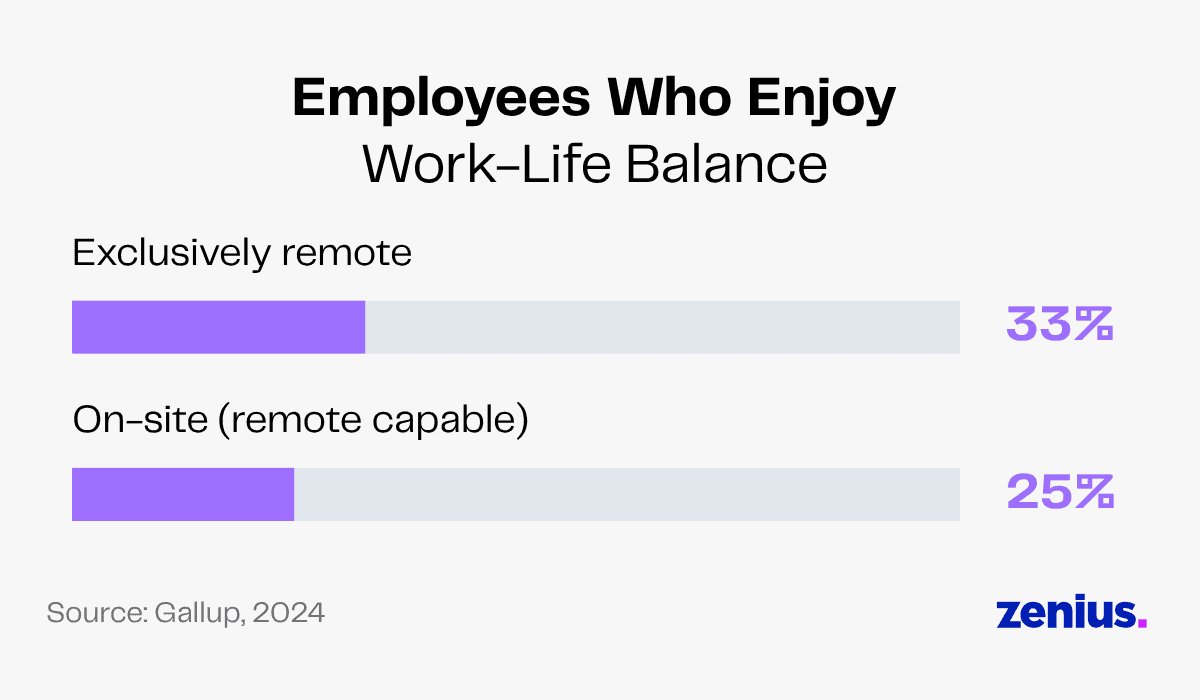
A remote working setup allows your team to enjoy their personal lives and work with more focus. 33% of fully remote employees say they enjoy work-life balance, while only 25% of on-site, remote-capable employees say the same.
Virtual team members are able to strike this balance, as they can take care of their personal and professional lives with equal efficiency. They know when to stop working and give time to their loved ones.
This is reflected in their quality of work, too. As virtual team members spend quality time with their family, their efficiency at work picks up pace, paving the way to success for your business.
Traditional teams may not enjoy this balance, which can ultimately reflect in their performance.
As a business owner, you know the grave consequences of blurred lines between work and life. From reduced engagement to burnout, the lack of work-life balance can have dangerous effects.
But thankfully, with virtual teams, the work-life balance of your employees remains intact, which also prevents any business disruptions.
Retention Rate
Businesses struggle hard to keep employees in their organization, on whom they invest so much during hiring and training.
You may live in constant anxiety about your traditional team and how to find substitutes once your best talents quit.
When you hire virtual assistants from a reliable agency like Zenius, you can be sure to access unhindered support for your business.
Here is a summary of the differences between the two teams so you can decide the best option for your business.
| Virtual Teams | Traditional Teams |
|---|---|
| Geographically dispersed | In physical proximity |
| Uninterrupted productivity | Frequent disruptions |
| Dependent on digital communication | More in-person communication |
| Scalable workload | Fixed workload |
| Hired from a vast global talent pool | Hired from a limited local talent pool |
| Affordable payscale | Expensive payscale |
| Better work-life balance | Poor work-life balance |
| High employee retention rate | Low employee retention rate |
How Can I Successfully Lead a Virtual Team for My Business?
Due to their cost-effectiveness, high productivity and diversity, many business owners choose virtual teams.
A virtual team can become the backbone of your business, carrying all the heavy weight of everyday operations for you. This helps you carry out crucial core tasks with more headspace and enthusiasm.
Gone are the days when you dreaded tedious tasks and procrastinated on everything till the last hour.
However, virtual teams come with some challenges.
Since there are time zone gaps, cultural differences and communication barriers, managing a virtual team requires careful planning.
You must create a safe environment with solid guidelines for everyone to follow and motivate them to do their best to build an inclusive workplace.
From virtual team-building activities and establishing clear communication channels to prioritizing work-life balance and providing professional development opportunities, organizations can create positive remote work environments that enhance engagement, boost morale and drive success in a virtual workspace.
Tinna Jackson, President & CEO of Jackson Consulting Group
Here are a few tips to help you lead your virtual team.
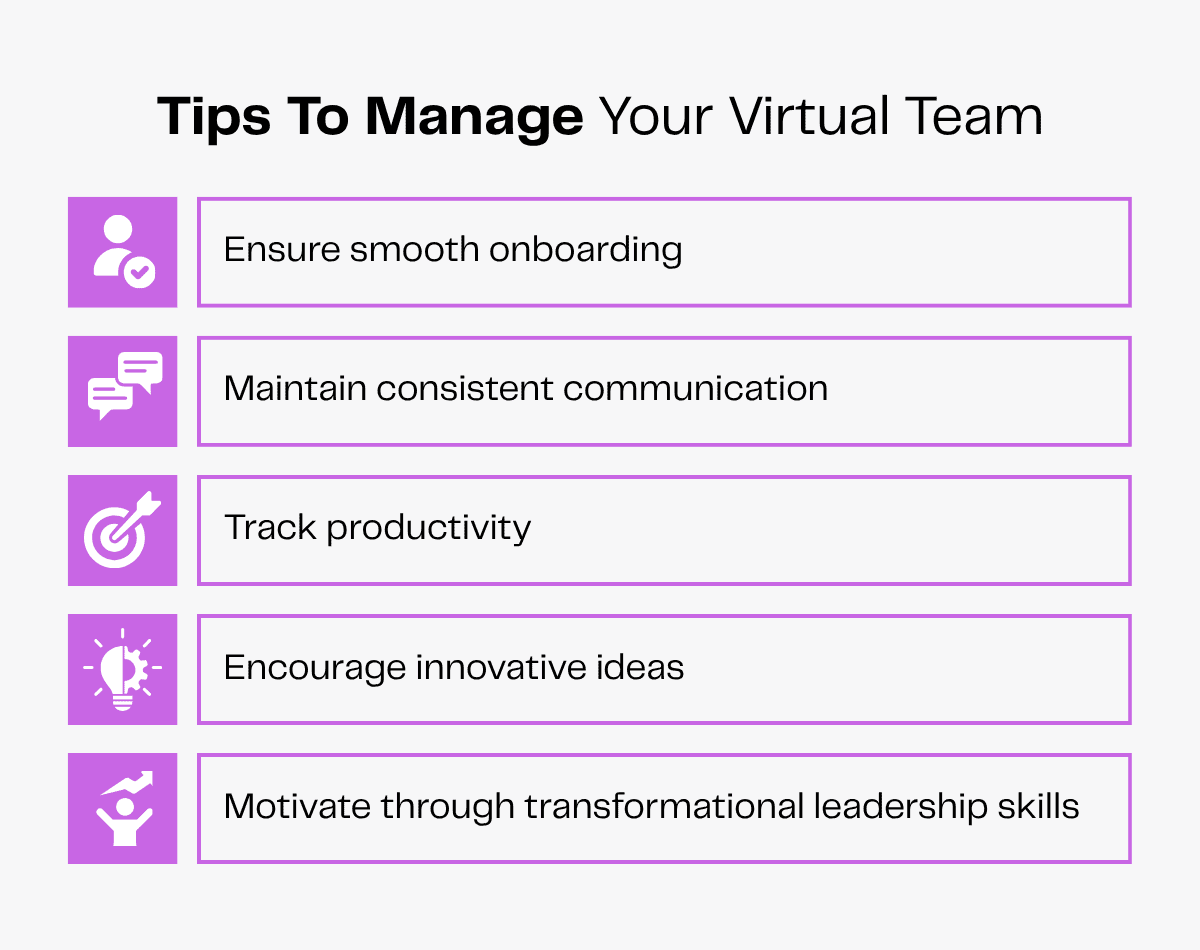
Start With a Comprehensive Onboarding Process
When introducing virtual team members to each other and to the team manager they will be reporting to, explain your office policies and organizational culture.
Give your team their credentials for relevant training modules and spend time answering their questions.
Don’t forget to personalize the SOP based on the role! For example, your data annotator virtual assistant is hardly going to need your Canva guidelines. Think of how confused your sales virtual assistant would be if their training material also had the same sections as your creative virtual assistant’s.
Customizing SOPs not only reduces workplace training fatigue but also establishes your expectations, giving VAs a clear view of their work.
Maintain Consistent Communication
You must schedule meetings on the team calendar and send timely reminders. Having regular video meetings creates team spirit and a sense of connectedness.
Relying on virtual communication tools streamlines operations. In fact, 87% of workers say that these tools improved their productivity.
Make sure you use instant messaging or AI notetakers to share important details discussed in a meeting.
Additionally, make sure you are accessible and available to answer questions employees might have regarding work, keeping them aligned with the shared purpose.
You should also encourage and nurture soft skills among your teammates such as:
- Honest communication
- Strong collaboration
- Quick independent thinking
- Proactive learning attitude
- Empathy and people skills
Read More: Best Artificial Intelligence Tools for Businesses
Track Productivity & Work Hours
Unlike in traditional teams, it gets harder to monitor the work of your virtual team.
In that case, you can use time tracking tools to see how much time was spent by the team on a task. Check in with them regularly and document the progress.
Having a shared task board also gives insights into the work progress, saving you the time you would’ve spent on a formal discussion with the team.
Encourage Innovative Ideas
Leading your virtual team does not have to be difficult. You must allow everyone to present their thoughts without judgment in the meetings. You should also do your best to build strong relationships through open conversations.
You must give reviews and also take feedback to build solid rapport and boost team cohesion among all team members.
Recognizing that each team member is unique is key. This means providing tailored support and mentoring to help each person reach their full potential. It’s about seeing the individual within the team.
Akin Akinpelu, Akin Akinpelu Learning & Development Company
Regular one-on-one meetings and personalized feedback sessions can go a long way in making your team feel valued and motivated.
Motivate Through Transformational Leadership Skills
Scheduling virtual team-building activities can foster a sense of community among virtual team members.
You can publicly acknowledge the significant contributions of team members and conduct award ceremonies at the end of every quarter to boost motivation and preserve team spirit.
You can also plan water cooler moments, creating an opportunity for informal interactions and playing virtual games together.
This allows everyone to know each other better and build better team relationships.
Why Virtual Teams Are Important In 2026
Virtual teams are becoming increasingly common as businesses prioritize hiring global talent instead of limiting themselves to the local pool.
The top reasons why organizations are prioritizing remote teams are:
- Broader talent pool (80%)
- Higher talent acquisition and retention (77%)
- Increased productivity (30%)
- Reduced overhead costs (42%)
- Improved mental health (37%)
- Diversity (21%)
- Environmental benefits (7%)
While hiring remote employees isn’t new, the move towards specialization is.
The time for hiring generic call support teams or IT management remote teams is past and businesses are now looking to hire virtual assistants capable of providing strategic advantages.
For instance, specialized virtual assistants and fractional executives are already replacing generalists holding full-time jobs.
Forward-thinking businesses are also rethinking compensation for virtual teams, moving away from micromanagement by creating an environment of accountability and outcome-based rewards.
These changes, along with hiring remote employees with AI literacy, are helping businesses meet their growth goals and keep their operations productive even with asynchronous work.
FAQs
When should I choose virtual teams over traditional teams?
Choose virtual teams if you want to slash your operational costs, access a wider global talent pool and encourage diverse perspectives in your business. With virtual teams, you’ll also lead a happier workforce and retain employees longer.
What are the biggest challenges for remote teams and how can they be overcome?
The top challenges for remote teams include cultural differences, miscommunication and a lack of team bonding. To overcome these, set clear communication guidelines, host virtual team-building events and offer cross-cultural training to create an inclusive, engaging work environment.
How can I encourage remote teammates to participate more in virtual meetings?
Start with easy icebreakers to help remote teammates loosen up and become more comfortable. Use virtual whiteboards to make meetings more interactive, set clear meeting agendas in advance and keep meetings brief and to the point so employees don’t get bored.
Wrapping Up
Being a business owner has never been this easy.
You can scale your business with virtual professionals who are equipped with all the basic skills required to run everyday operations.
By enforcing management strategies such as open communication, team-building activities and time tracking, you can lead an engaged, productive virtual team.