Key Takeaways
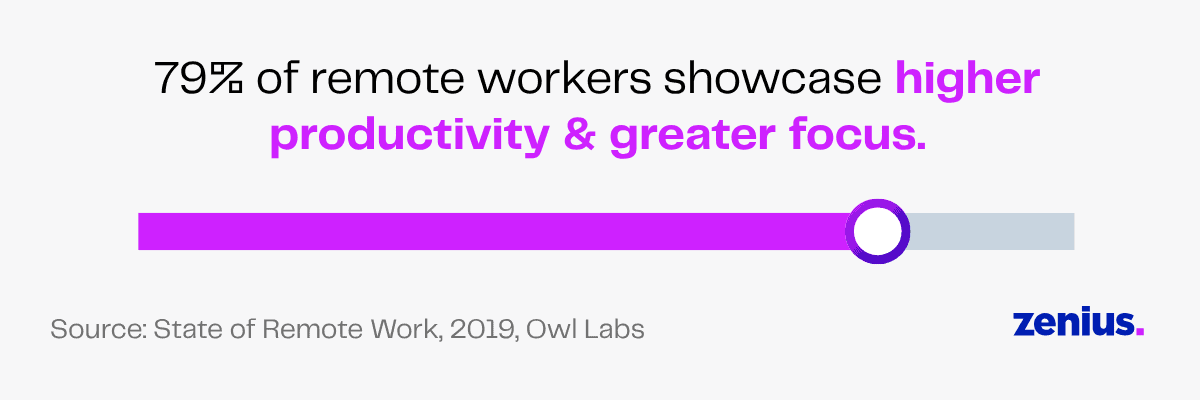
With 79% of remote employees reporting higher productivity, virtual teams are proven to be more productive than in-office teams.
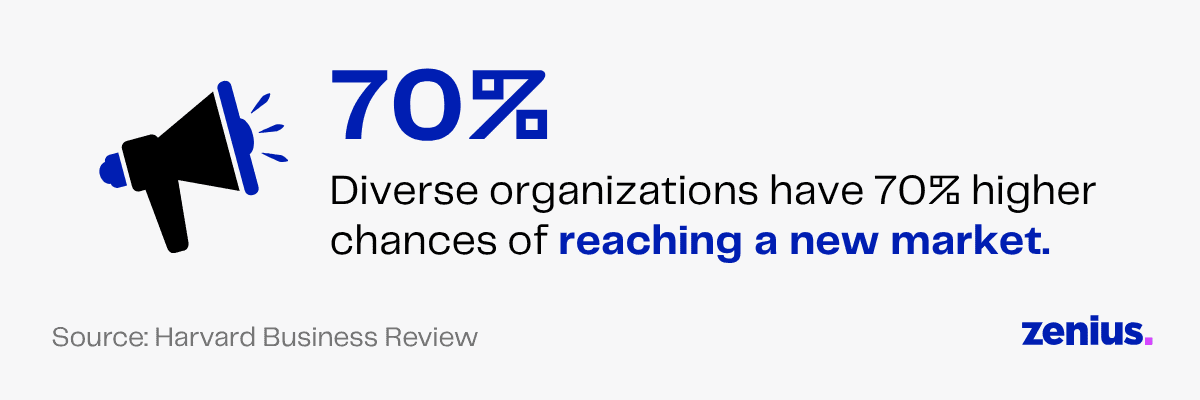
Diverse workplaces have a 70% higher chance of entering new markets. That’s why many businesses prefer remote workers from different countries.
94% of business executives say team culture is important for success. Focus on team building, peer recognition and transparent communication to build a positive company culture.
Many of the most successful companies in the world are either remote-first or hybrid.
These include Airbnb, Dropbox, Pinterest (fully-remote) and Google, Facebook, Amazon and Microsoft (partially remote).
What is it exactly about virtual teams that’s attractive to these companies?
One, building traditional teams is exhausting and virtual teams come with less hiring hassle. Two, good talent is rarely in the same city as your office. Three, virtual teams enable companies to build a diverse and inclusive talent base.
And finally, in-house recruitment is expensive but virtual teams can be hired from overseas countries—significantly bringing down payroll and overhead costs.
Let’s look at these benefits in more detail.
Why Do Organizations Use Virtual Teams?
Virtual teams are geographically dispersed teams comprising professionals from all over the world.
In such a team, members work remotely and collaborate using digital tools.
From increasing organizational productivity to boosting efficiency, a virtual team delivers multiple benefits for organizations.
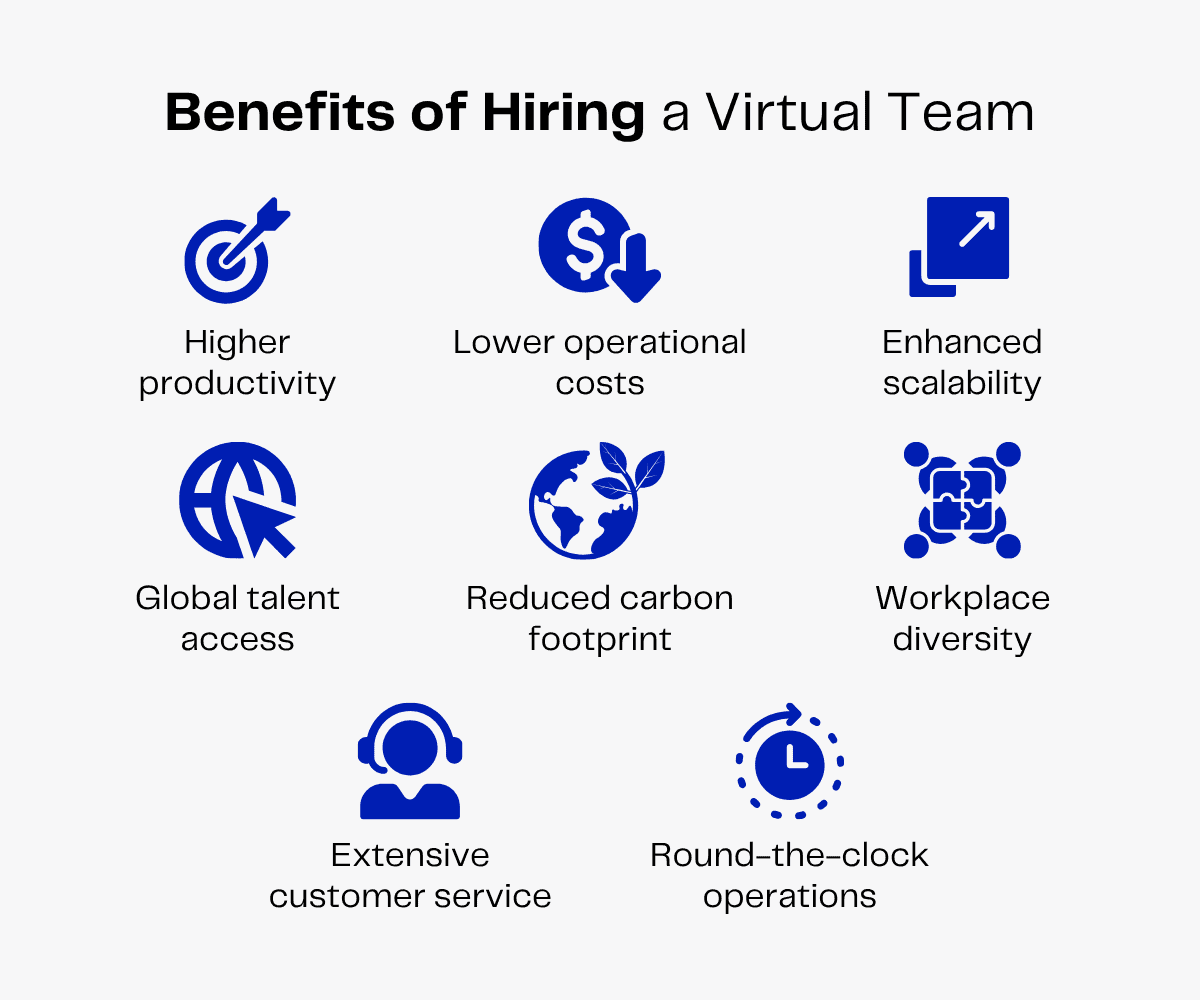
Higher Efficiency and Productivity
Efficiency and productivity are drivers of profitability in an organization. The higher they are, the greater will be your profits.
Since 79% of remote workers report higher productivity and better focus, a virtual team can increase your efficiency.
One reason for this is fewer distractions. Virtual workers are in control of their own work environments.
They don’t have to deal with noisy offices or chatty coworkers, which helps them focus on work without interruptions.
Not having to commute to and from work also saves time and energy, helping them stay more energized and productive.
Enhanced Scalability
Need a team that you can adjust however you want? A virtual team is what you need for such flexibility.
You can onboard a virtual team by selecting the candidates of your choice through an outsourcing company. You can get one, two, three or more.
Unlike hiring a traditional internal team, you need not wait for months to build a team.
Instead, you can customize your team of talent depending on your current needs and demands. When workloads are high, you can hire more quickly to get assistance with your business.
This goes for removing or replacing them as well. For instance, if you’re having a slow period, you can downsize your workforce.
This flexibility will allow you to use your resources efficiently.
Fewer Operational Costs
Virtual work statistics show that remote employees are significantly cheaper than in-office ones.
This is because maintaining an internal staff is costly. You have to pay a large sum of salaries, invest in employee benefits and expand your office space.
But you can avoid these expenses and lower your operational costs by recruiting virtual teams.
They work remotely, so you don’t have to pay for office equipment, utilities or internet services.
And if you hire via virtual assistant staffing companies, you can even save on benefits, insurance and payroll taxes.
Access to Global Talents
Virtual teams are not bound by geographical locations. This means you can look beyond local candidates and hire global talent for your business needs.
Be it IT, marketing, bookkeeping or admin, you can hire professionals from any part of the world at lower rates than U.S.-based professionals.
This helps businesses fill skill gap issues, solve problems better and thrive in a difficult economy.
Workplace Diversity
A diverse and multicultural workplace promotes creativity, innovation and a better reputation for the employer’s brand.
If your organization is diverse, you have 70% higher chances of capturing a new market.
By recruiting virtual employees from overseas, you can boost diversity in your team.
Commenting on why workplace diversity is so important, an entrepreneur said,
Because different lived experiences create different ways of thinking and different ways of viewing a problem—making it a lot more likely that you’ll find a better solution faster than if your workforce has only one way of thinking.
Remote professionals will add a new sense of culture and bring an array of ideas to your workplace. They will empower your in-house team with creative and innovative thoughts.
Your organizations will flourish as such diversity improves collaboration and productivity.
You’ll also see a remarkable shift in how the market views you as an employer. You’ll be able to build a workplace everyone wants to join, thus driving business growth.
Reduced Carbon Footprint
A survey by IBM reveals that consumers are becoming increasingly aware of sustainability and environmental impacts.
45% consider it “very important” for brands to be sustainable and environmentally responsible.
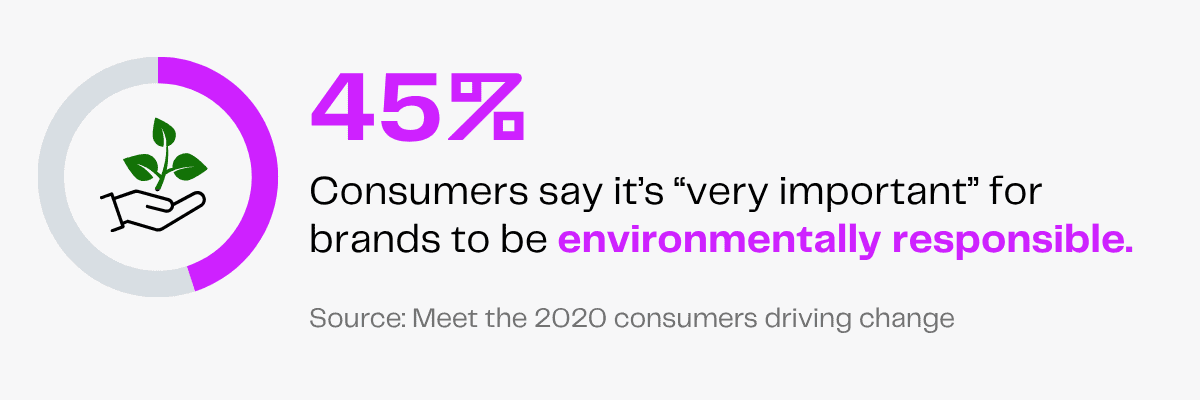
This is an indication that businesses need to lower their carbon footprint. And hiring virtually is one of the best ways to do this.
Remote employees don’t have to drive to work daily. Besides saving travel costs, this can significantly reduce pollution.
Since virtual teams rely entirely on digital tools, you can also eliminate paperwork and reduce your paper consumption. There won’t be any need for construction to extend offices, either.
Therefore, by hiring a virtual team, you can stay more environmentally friendly and attract more customers.
Extensive Customer Service
Customer service is very crucial to retain customers and gain more.
As your business grows, your internal team may not be able to handle all customer queries. You might need more support to handle each customer and deliver high-quality service across every channel.
That’s when a virtual team can come to your rescue.
You can recruit more professionals to manage your growing customer base. They can handle all customer interactions through phone calls, chats or emails.
This way, you can improve your response times and your customers will not need to wait too long to get their issues solved.
Round-the-Clock Operations
When you run a traditional office, you have fixed work hours. All employees clock in and clock out together at the same time.
But by hiring a virtual team, you can take advantage of different time zones to extend your business hours.
Even when your in-house team is off the clock, your overseas members can be available to solve urgent problems and respond to customers.
This keeps your business operative at all times, ensuring smoother workflows and greater customer support.
Differences Between In-House Teams and Virtual Teams
What makes a virtual team different from an in-house team? Here’s the answer.
| In-House Team | Virtual Team |
|---|---|
| Lengthy and expensive hiring | Quick hiring |
| Rigid, long-term contracts | Flexible contracts |
| Insurance and benefits costs | No benefits required |
| Limited to local candidates | Access to global talents |
| Lacks diversity | High diversity and creativity |
| Needs extra office space | No office space needed |
Strategies To Improve Virtual Team Performance
Physical distance is one of the biggest challenges for virtual teams. But just because there’s distance doesn’t mean your team has to be distant.
So how can virtual teams work well together from far apart? Focus on bridging the gap to make members feel connected and aligned, despite not being together.
This involves honest communication, a culture of trust, two-way feedback and appointing a team leader to oversee it all.
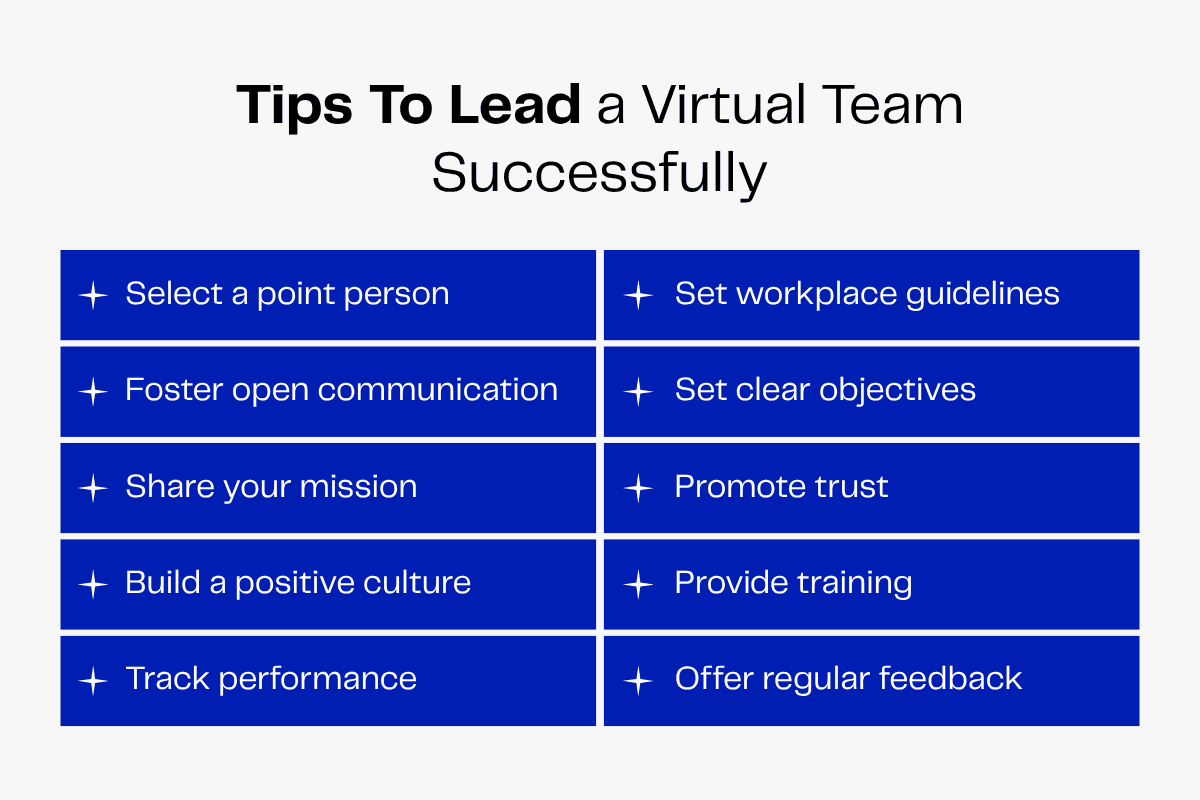
Appoint a Team Leader
Virtual team members come from different geographic locations, so sometimes their time zones will differ.
You’ll need a team leader who can motivate them and keep everyone on the same page through phone calls, chat and video conferencing.
The leader must have great communication and strong empathy to understand the team even without being physically present with them.
One way to bring such leaders is to train your managers to lead your virtual team. You can also set an example for them first by managing your virtual team yourself.
Establish Workplace Guidelines
Workplace guidelines foster discipline and a sense of uniformity in an organization.
When setting general rules for your virtual team, you must use simple language and examples. Explain the workflows and expectations as clearly as possible.
Use examples, illustrations and process videos. Highlight all the common problems with the instructions, clarify what to do and what not to do.
You’ll also need to deal with your team on an individual level. Set different objectives for each member according to their strengths and roles to get the best out of each.
Set Up Communication Channels
Communication is everything when it comes to managing a virtual workplace. But you’ll face challenges around it, such as different communication styles and technical issues.
To combat these, make sure you develop a solid communication strategy.
Virtual teams rely entirely on electronic communications, so first find out if everyone is comfortable using the same digital tools.
Look for challenges your virtual team members are facing and ask them if they need any help in using the tools effectively.
You can also come up with different ideas to make communication easier and more effective. For example, use headlines or tags like “URGENT” to emphasize the urgency or importance of a task.
Create a document detailing these guidelines and share it with your virtual team to improve communication.
Keep Objectives Clear
Virtual teams should have clear objectives from the first day to avoid confusion and propel them in the right direction.
One way you can do this is by providing specific instructions. For example, “send 100 personalized emails every week.”
You can add more clarity by keeping the targets measurable and trackable, i.e., if you want your virtual team to make cold calls, ask them to track how many people they’re calling or how many leads are converting into sales.
Make sure to keep your objectives realistic by considering key aspects such as skill level, time taken to complete each task, current workload, etc. as well.
Provide Mission and Vision Statements
Providing your mission and vision statement to your virtual team can bring them closer to one common objective. Show them the grand future they’re heading towards while working with you.
You want to give them a sense of purpose by telling them your organizational goals. This motivates remote employees to work harder, since they feel like their contributions have a direct impact.
As a result, you’ll have a more energized and hard-working virtual team.
How effectively you can convey your mission will also affect how they feel about working in your organization.
Promote Trust and Honesty
Trust and honesty are essential for better collaboration. Fostering trust will lead to stronger bonds, happier and more engaged staff and fewer internal conflicts.
You can ensure this through clear intention and transparency. Be open with your virtual team about your goals, expectations or any major changes.
When making decisions that affect employees, make sure to explain the reason behind them. Don’t let your team feel anxious, confused or suspicious at all.
You can also seek feedback from your virtual teammates on any challenges they face. Make employees feel safe enough to approach you with problems without the fear of judgment.
And when they point out their concerns, reassess and adjust your workflows accordingly so employees know they are heard.
Build Positive Company Culture
Do you want to see your virtual team adapt and thrive on its own?
Then build a culture where they can learn from each other. A survey by Deloitte reveals that 94% executives believe that company culture impacts business success.

A positive organizational culture will create a work environment conducive to supporting your team for success. It will keep them excited and motivated to be in your organization.
To define workplace values for your virtual team, think about what drives your organization.
For instance, if you’re a tech startup, creativity and innovation could be the key values in your company culture.
The importance of virtual team building also can’t be overstated.
In global virtual teams, cultural differences and miscommunication can sometimes create distance. Team-building curbs these by helping members get along personally as well as professionally.
Occasional casual catch-up meetings, team bonding activities and peer recognition programs can help you build a culture that’s supportive and uplifting.
Read more: 5 Virtual Employee Appreciation Ideas That Show You Care
Provide Resources and Training
You must provide upskilling resources to your remote team to boost their performance, enhance productivity and improve their skill sets.
This could be via subscriptions to online learning platforms, peer-to-peer mentorship programs or webinars.
Training modules on how to use the latest technology, such as CRM, project management or AI tools, can also help your team become more tech-savvy and work efficiently.
Track Their Performance
Tracking how everyone in your team is performing will help you understand each member’s strengths and weaknesses.
In this way, you’ll also identify improvement areas for your virtual team to enhance their performance and outcomes.
If you’re not sure how to track your team, follow certain Key Performance Indicators (KPIs) like task completion rate or efficiency and productivity rate.
Share Feedback for Improvement
After monitoring your virtual team for a few days, start sharing feedback. If you spot any issues, don’t wait for later or until the problem is out of your hands.
But keep in mind not to overdo the criticism. While clarity is important, so is empathy.
You can make the feedback constructive by focusing on solutions. For example, instead of simply telling your team they aren’t good at something, show them how they can improve.
Try to get their opinions as well. Shifting the conversation to dialogue mode will encourage stronger bonds and harbour mutual respect.
Finally, keep your approach flexible with different members. Some might require direct instructions, whereas others may prefer a level of creative autonomy.
The Best Virtual Team Technology To Use
Virtual teams are entirely dependent on digital tools. Without high-quality tools for collaboration, communication and project management, your teammates won’t be able to work together effectively.
Plus, since physical supervision isn’t possible, you’ll also need time tracking tools to monitor your team’s performance.
Document Management Tools
Document management tools help in asynchronous collaboration. Even if you’re not connected with your team in real time, they can still access documents and files in the storage.
They can open, edit or organize files and folders. This will allow your team to work on projects independently without having to constantly ask you for access.
This is a great alternative to email attachments because of its accessibility and speed.
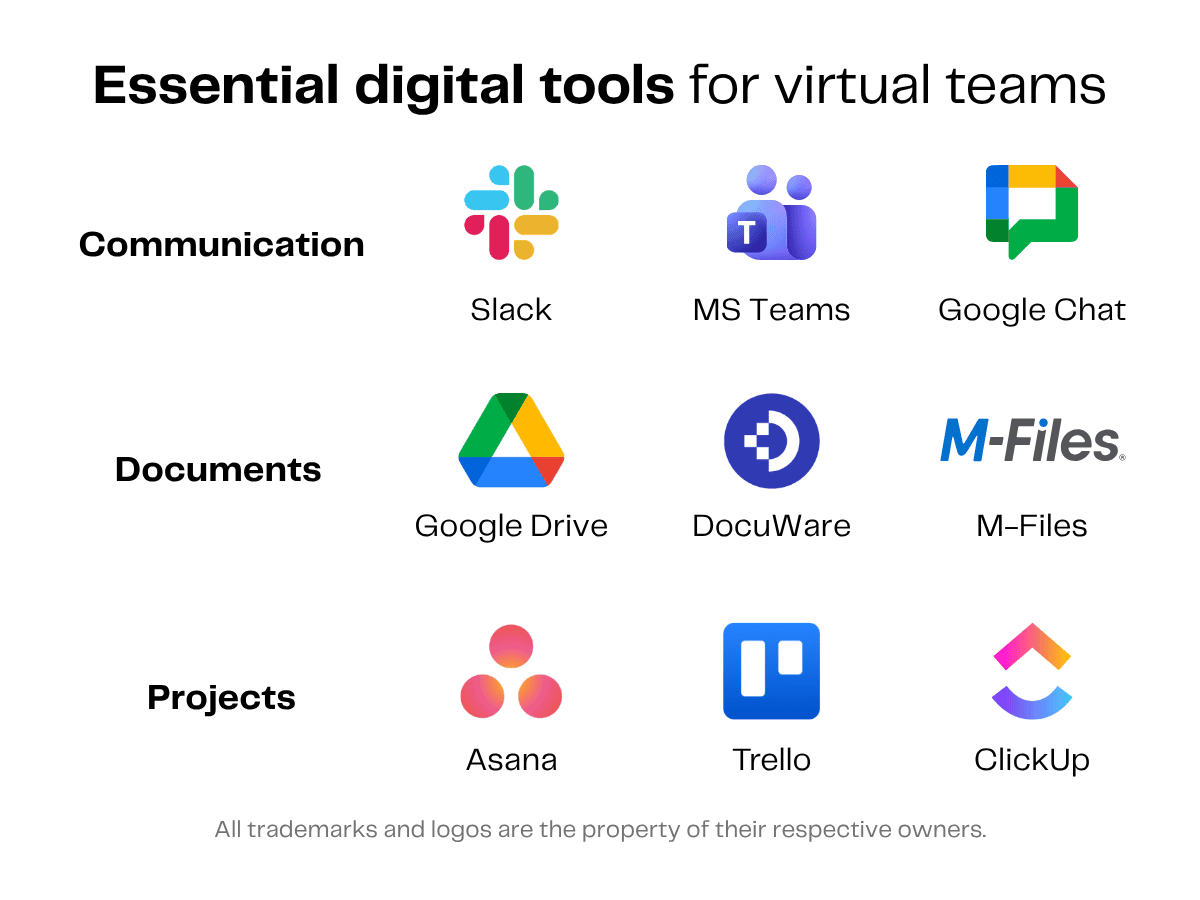
Such tools include DocuWare, M-Files, Google Drive and Zoho WorkDrive.
Communication Tools
When it comes to communication, virtual teams have a range of options. For instant messaging, you have Microsoft Teams, Slack or Google Chat.
You can also use email communication like Gmail or Outlook. For video conferencing, Google Meet, Skype and Zoom are the best options.
But what matters is your strategy.
Your choice of these tools should be a part of your strategy. For example, you can use instant messaging to send quick updates instead of making phone calls.
Similarly, you may want to use video conferences only for weekly one-on-one check-ins and all-hands meetings.
For group discussions and brainstorming sessions, virtual whiteboard tools can also be a great idea.
Project Management Tools
Project management tools let you create and manage projects. It enhances collaboration by keeping everyone on track.
You can use the tool to assign tasks to your virtual team, allocate resources, track analytics and automate workflow.
Team monitoring becomes convenient as you can see overall progress on a single dashboard in one go. You can also learn how the goals and objectives are progressing.
This can keep your entire team and organization synchronized with the main objective.
Some examples of project management tools include Asana, Basecamp, ClickUp, Monday, Trello and Wrike. Each of these tools comes with its own features. You choose tools based on your goals and needs.
Time Management & Scheduling Tools
You’ll also need time-tracking and scheduling tools.
The former will allow you to track your team’s productive time. With the latter, arranging, organizing and scheduling all your events and virtual meetings will become effortless.
Time tracking tools include Harvest, Meantime, TrackingTime, Timeular and Toggl Track. These tools provide automated tracking and record all the information of your virtual team during their working hours.
You can use Calendly, Clara, Clockwise, Motion and SavvyCal for scheduling tasks. Organizing many events simultaneously won’t be a hassle with these tools.
FAQs
What makes virtual teams successful?
Leading a successful virtual team involves setting clear expectations, establishing communication guidelines, investing in high-quality digital tools, promoting transparency and building a strong, supportive company culture.
How can I improve collaboration in virtual teams?
You can improve collaboration in virtual teams by defining expected response times, having designated channels for specific purposes (e.g., chat for quick updates), using project management tools and hosting team bonding exercises to build camaraderie.
Are remote team-building activities worth it?
Yes! Team building activities can help virtual teammates get to know each other and feel more connected. This reduces isolation, fosters trust and improves communication, leading to better collaboration.
What should be avoided in a virtual meeting?
Avoid hosting meetings without a clear agenda, scheduling calls for basic questions that can easily be asked via text or failing to consider time zone differences.
Final Thoughts
Virtual teams are cost-efficient, productive and diverse.
Businesses implementing virtual teams can look beyond local candidates and access skilled professionals from anywhere in the world to fill critical skill gaps.
Such teams are especially beneficial for startups that want to reduce overhead costs or modern businesses that value sustainability, innovative ideas and rapid scaling.